
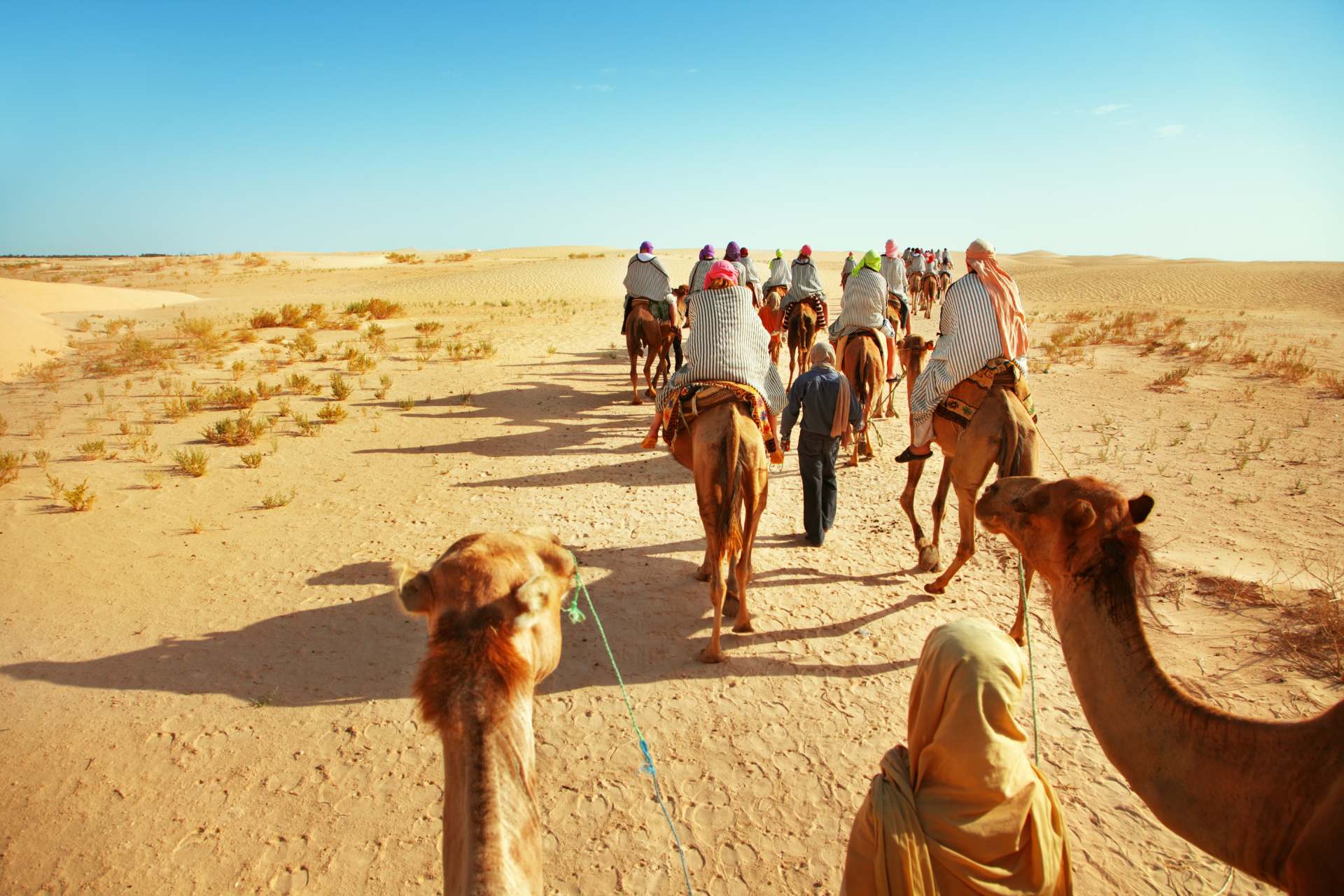
Are you ready to experience the vibrant culture and breathtaking landscapes of Morocco, but unsure when to plan your trip? This guide highlights the Best Time To Visit Morocco, helping you choose the perfect season for your adventure. With its diverse geography, Morocco offers a unique climate in every region, making the timing of your visit crucial. The country’s varied landscapes from the Atlantic Coast to the High Atlas Mountains and the vast Sahara Desert create distinct climate zones that shift dramatically throughout the year. Understanding these seasonal patterns is key to enjoying comfortable temperatures and making the most of your travel experience.
Whether you’re looking to explore bustling cities, hike through mountains, or relax on coastal retreats, Morocco has something to offer in every season. Let’s dive into the details to determine the ideal time for your Moroccan adventure.
Understanding Morocco’s Diverse Climate
Understanding Morocco’s climate requires a look at its diverse geography, which influences weather patterns across the country. Morocco’s varied landscapes create a complex climate system, with different regions experiencing distinct weather conditions throughout the year.
From Coast to Mountains to Desert
Morocco’s geography is characterized by a range of landscapes, from the Atlantic coast to the Atlas Mountains and the Sahara Desert. This diversity gives rise to varied climate zones. The coastal regions tend to have milder temperatures, while the inland areas experience more extreme heat and cold. The Atlas Mountains create a weather divide, with areas north of the range experiencing Mediterranean patterns and southern regions showing more desert-influenced conditions.
The varied geography means that the time to visit Morocco can depend greatly on the region. For instance, the coastal areas are generally pleasant during the summer months, while the mountain regions are better visited in the spring or fall.
Regional Weather Patterns Throughout the Year
Morocco’s weather patterns follow distinct seasonal cycles, though conditions can vary significantly from year to year, especially during winter months. Generally, the months of April, May, October, and early November are considered the best time to visit Morocco for a more comfortable, temperate climate. During these periods, temperatures are pleasant, and there is less likelihood of rain. In contrast, the winter months can be quite cold, especially in the mountains, and the summer days can be very hot in the desert regions.
Regional weather patterns also vary, with coastal regions experiencing milder fluctuations in temperatures and inland cities like Marrakech and Fes facing more extreme conditions. Understanding these patterns can help travelers plan their visit Morocco trip accordingly.
The Best Time to Visit Morocco
From the blooming landscapes of spring to the warm winters in the desert, Morocco’s seasons offer a range of experiences. Understanding these seasonal variations is key to planning your trip effectively.
Spring (March to May)
Spring is a beautiful time in Morocco, with mild temperatures and vibrant landscapes. The almond blossoms in the Atlas Mountains are a particular highlight, creating picturesque scenery. During this season, the crowds are still relatively manageable, making it an ideal time to explore popular destinations like Marrakech and Fes.
Summer (June to August)
Summer in Morocco can be quite hot, especially in the inland areas. However, the coastal cities like Essaouira and Tangier offer a cooler retreat, with breezy conditions making them pleasant destinations. It’s also a great time for water activities and enjoying the beaches.
Fall (September to October)
Autumn brings comfortable temperatures to Morocco, making it an excellent time for sightseeing and outdoor activities. The weather is generally mild and sunny, ideal for exploring the souks and historical sites without the intense summer heat. It’s also a good period for hiking in the Atlas Mountains.
Winter (November to February)
Winter is the coolest and wettest season, with daytime highs ranging from 50-68°F. While it’s chillier in the mountains and warmer in the desert, it’s an excellent time to visit the Sahara Desert due to more manageable temperatures. The rest of Morocco is usually crowd-free, allowing for a more authentic experience. Travelers should be prepared for occasional rain and cooler nights, especially in the cities like Marrakech and Fes.
In conclusion, each season in Morocco offers unique experiences, from the blooming spring landscapes to the serene winter desert treks. Planning your visit according to your preferences and the activities you enjoy will ensure a memorable trip.
Exploring Morocco by Month
Morocco’s climate is as diverse as its landscapes, and understanding the weather patterns month by month can greatly enhance your travel experience. The country’s geography, ranging from coastal areas to mountains and deserts, contributes to varied climate conditions across different regions.
Winter Adventures
January and February are the coolest months in Morocco, with winter conditions prevailing in most regions. While it’s not ideal for beach activities, these months are perfect for exploring cities like Marrakech and Fes without the crowds. The Atlas Mountains receive snowfall, making it an excellent time for winter sports. If you’re looking for a serene experience, visiting the Sahara Desert during this time can be quite enchanting, with cooler temperatures making it more comfortable for camel treks and stargazing.
Spring Blossoms and Festivals
Spring is a beautiful time in Morocco, with mild temperatures and blooming landscapes. March to May is considered an ideal period to visit, as the weather is pleasant across most regions. The almond blossoms in the Atlas Valley and the rose festivals in El Kelaa M’Gouna are highlights of the season. It’s also a great time for hiking and exploring the countryside, with wildflowers in full bloom and comfortable temperatures for outdoor activities.
Summer Heat and Coastal Escapes
Summer brings intense heat to Morocco, especially in the desert and inland areas. June to August can be sweltering, with temperatures often exceeding 40°C (104°F) in places like Marrakech. However, the coastal regions offer a cooler respite, making cities like Essaouira and Tangier popular summer destinations. If you’re planning to visit the Sahara, it’s essential to be prepared for the extreme heat, while the mountains provide a cooler alternative for hiking and trekking.
Fall Colors and Winter Preparations
September marks the beginning of autumn in Morocco, with pleasant temperatures and fewer crowds, making it an excellent time to visit. October continues this trend, although rainfall starts to increase in some regions. November and December bring winter conditions, with cooler temperatures and more frequent rainfall. The fall season is also the harvest time for various agricultural products, including dates, olives, and saffron, offering a chance to experience local culture through harvest festivals.
In conclusion, understanding Morocco’s climate on a monthly basis allows travelers to plan their trip according to their preferences, whether it’s avoiding crowds, enjoying specific activities, or experiencing the local culture at its best.
Best Times to Visit Popular Moroccan Destinations
Understanding the best times to visit Morocco’s popular destinations can enhance your travel experience. Morocco is a vast and varied country, with different regions offering unique experiences throughout the year.
Marrakech and Fes
The best time to visit Marrakech and Fes is during the spring (March to May) and fall (September to November), when temperatures are mild and crowds are manageable. Summer can be extremely hot, while winters are cool but still pleasant for exploring the medinas and historical sites.
Coastal Cities
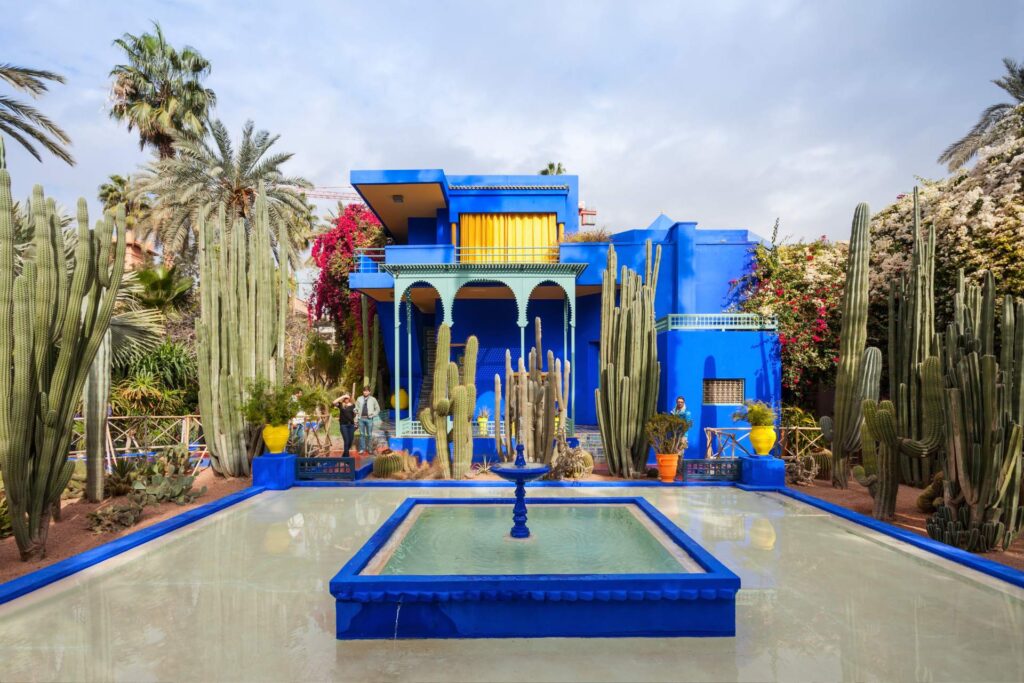
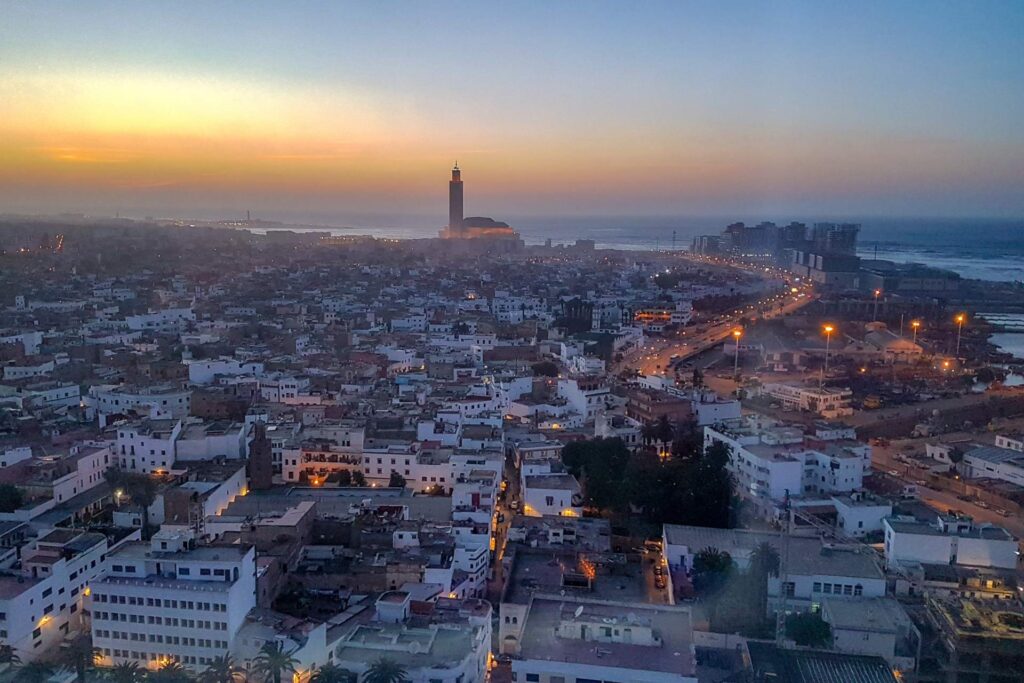
The coastal cities are generally pleasant year-round, with Essaouira being a favorite summer destination due to its cooling breezes. Tangier is mild in spring and fall, while Casablanca remains relatively temperate throughout the year, making it a good destination for business travelers or those preferring milder climates.
Atlas Mountains and Chefchaouen
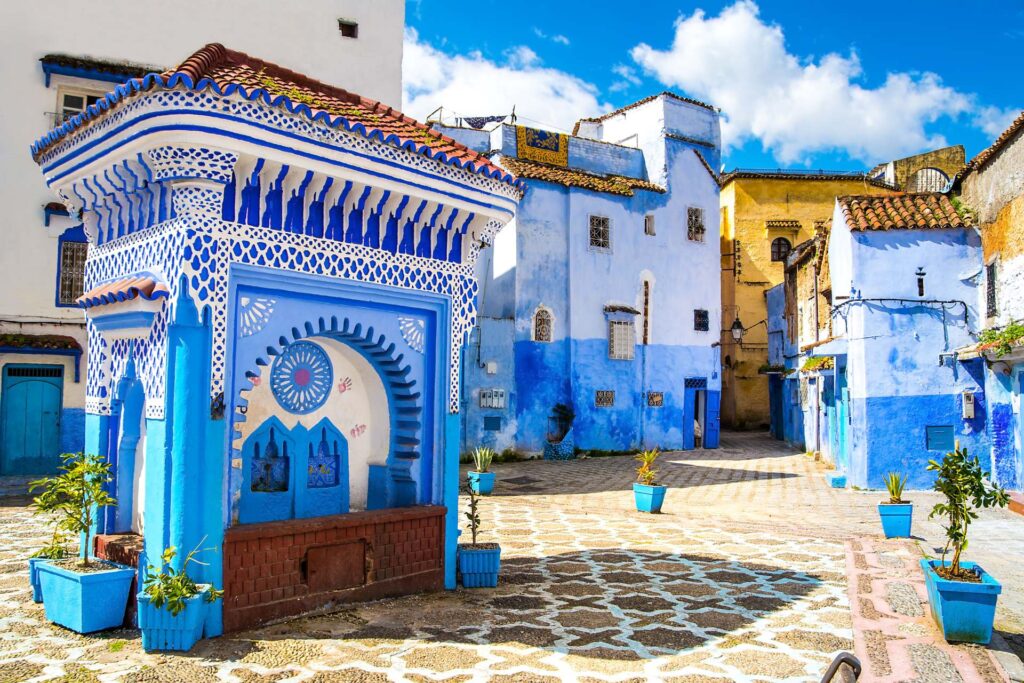
The Atlas Mountains are best visited in spring and early summer, when the landscapes are lush and wildflowers are in bloom. Chefchaouen, with its picturesque location, is also ideal during these seasons, offering pleasant hiking conditions and comfortable temperatures.
Sahara Desert
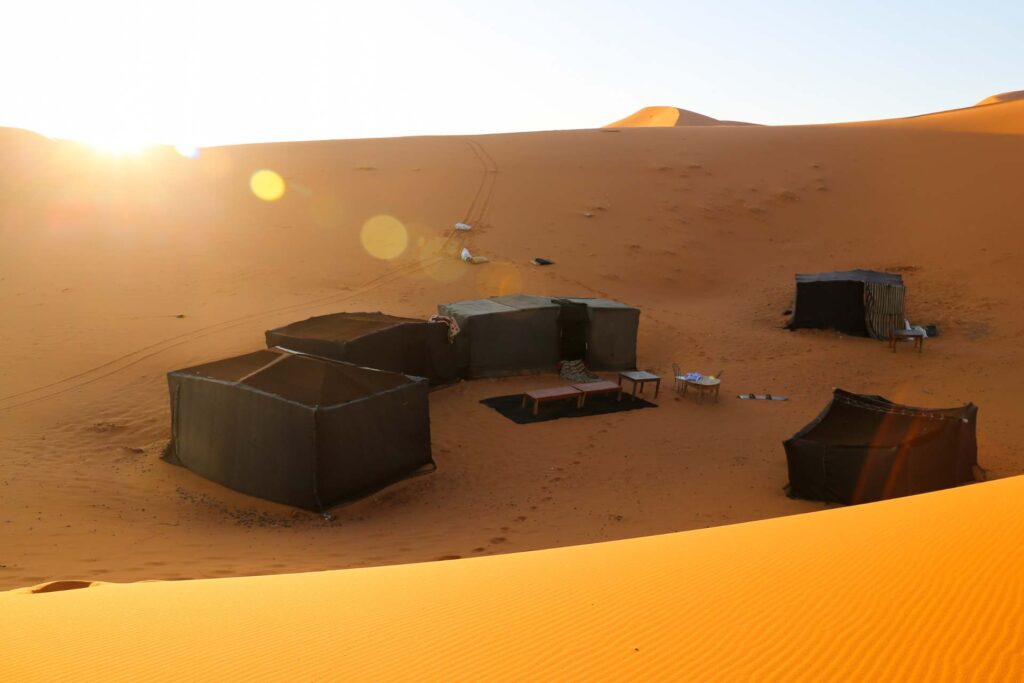
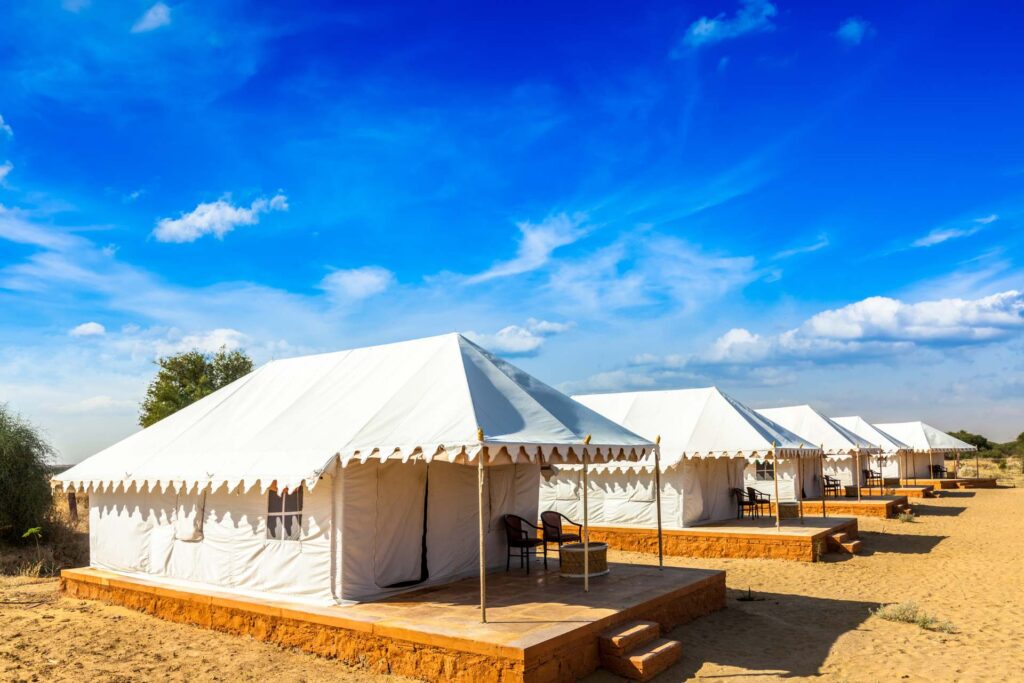
The Sahara Desert experiences extreme temperature variations. Winter (November to February) offers the most comfortable conditions for desert excursions, with cooler days and very cold nights. Summer is scorching hot, with most desert camps closing between June and August. Spring and fall are transitional, with April-May and October-November being good times to visit before and after the peak summer heat.
Traveling During Ramadan and Other Religious Holidays
When planning a trip to Morocco, it’s essential to consider the significant religious observances that take place throughout the year. Morocco is an Islamic country, and its religious calendar is filled with important holidays that can impact travel plans.
What to Expect During Ramadan
During Ramadan, the holy month of fasting, many businesses adjust their hours, and some restaurants are closed during the day. However, this period also offers a unique glimpse into Moroccan culture, with families gathering to break their fast together. Travelers can experience the vibrant atmosphere of iftaar (break-fast) meals and enjoy traditional foods. While some tourist facilities remain open, it’s a good idea to plan ahead and be respectful of local customs.
Other Important Religious Observances
Beyond Ramadan, Morocco observes several other significant Islamic holidays, including Eid al-Adha (Feast of Sacrifice), Milad un Nabi (Prophet’s Birthday), and Ashura. These holidays can affect travel plans due to business closures and family gatherings. For instance, Eid al-Adha lasts about four days and involves the ritual sacrifice of sheep, creating a distinctive cultural experience. Travelers should check the specific dates for these holidays, as they follow the Islamic lunar calendar and shift approximately 11 days earlier each year.
Cultural Festivals and Events Worth Planning Around
From spring blossoms to winter festivities, Morocco’s cultural scene is a treasure trove of unique experiences. The country’s diverse cultural heritage is reflected in its numerous festivals and celebrations that take place throughout the year.
Spring Festivals
Spring in Morocco is a time of vibrant festivals, including the Almond Blossom Festival in Tafraoute and the Rose Festival in El Kelaa M’Gouna. These events celebrate the beauty of nature and the local culture, with traditional music and dance performances. Visitors can enjoy the picturesque landscapes and participate in the festivities, making for an unforgettable time.
Summer Music Celebrations
Summer in Morocco is synonymous with music festivals, particularly the Gnaoua World Music Festival in Essaouira and the Fes Festival of World Sacred Music. These events attract artists and visitors from around the globe, creating a unique cultural melting pot. The festival atmosphere is electric, with performances that showcase the rich cultural heritage of Morocco.
Fall and Winter Cultural Events
As the year progresses, fall and winter bring their own set of cultural events. The Marrakech International Film Festival in December is a highlight, turning the city into a global cinema hub. Other notable events include the Date Festival in Erfoud and the Marriage Festival in Imilchil, both celebrating local traditions. These events offer a glimpse into Morocco’s rich cultural tapestry, making every day a new discovery.
Practical Travel Tips for Each Season
When planning a trip to Morocco, understanding the practical aspects of travel can greatly enhance your experience. Morocco’s diverse climate and cultural events require careful planning to make the most of your visit Morocco.
Packing Essentials by Season
Packing the right clothing is crucial for a comfortable trip. In spring and fall, layers are recommended due to the fluctuating temperatures. Summer requires light, breathable clothing, while winter demands warm layers for the cooler mornings and evenings, especially in the areas like the Atlas Mountains.
Accommodation and Transportation Considerations
Booking accommodations advance is advisable, especially during peak season. Avoiding major holidays and peak tourist time can mean lower accommodation prices and fewer crowds. Transportation options vary, with more flexibility during quieter months.
Booking Advice and Price Fluctuations
Morocco experiences significant price fluctuations throughout the year. Booking 3-6 months in advance is recommended for high season travel. Last-minute bookings during winter can yield discounts, except during holiday periods. Understanding these dynamics can help plan your trip more effectively.
Conclusion
Morocco’s diverse climate means the best time to visit varies based on your itinerary and preferences. Generally, April, May, October, and early November offer the most comfortable climate, ideal for exploring the country’s diverse attractions.
By aligning your trip with Morocco’s seasonal patterns, you can experience the country’s rich culture, from festival celebrations to agricultural harvests. Whether you prefer the balanced conditions of spring and fall or the unique experiences of summer and winter, Morocco has something to offer, making it a memorable visit to Morocco.