
Imagine immersing yourself in a vibrant culture that seamlessly blends traditional and modern elements. This comprehensive Morocco travel guide will be your key to unlocking the secrets of a captivating North African gem. From the best time to plan your trip to navigating the bustling medinas, majestic mountains, and vast deserts, we’ll cover all the essential information you need for an unforgettable experience.
Whether you’re looking for a short city break or an extended journey exploring multiple regions, this guide will help you make the most of your adventure in this enchanting country. With its rich history, stunning landscapes, and warm hospitality, you’ll be eager to start planning your journey. Let’s dive into the essentials of creating an unforgettable journey.
Getting to Know Morocco
With its unique location in northwest Africa, Morocco has been a crossroads of various cultures throughout history. This strategic positioning has made it a fascinating country to explore, with influences from both Europe and Africa.
Where is Morocco Located?
Morocco is situated in the northwest part of Africa, directly across the Strait of Gibraltar from Spain. This proximity to Europe, combined with its African roots, makes Morocco a culturally rich and diverse nation.
Brief History and Culture
Morocco’s history dates back to the ancient times, with the first independent Moroccan state emerging around 225 BCE as the Berber kingdom of Mauretania. By the 7th century, the Muslim conquest of North Africa was underway, significantly impacting the region’s culture and identity. Later, Morocco became a French Protectorate from 1912 until it gained independence in 1956. Today, Morocco stands as an independent country, proud of its heritage and its place in the world.
The blend of Berber, Arab, and European influences is evident in Morocco’s architecture, cuisine, and traditions, making it a unique cultural melting pot.
Planning Your Morocco Trip
To make the most of your trip to Morocco, start by understanding the essential information. Planning a trip involves several key considerations to ensure a smooth and enjoyable journey.
Visa Requirements
Travelers from many countries, including the US, UK, EU, Canada, and Australia, can visit Morocco for up to 90 days without a visa. It’s essential to check the specific visa requirements for your country before planning your trip.
Currency and Money Matters
The Moroccan Dirham (MAD) is the local currency. While credit cards are accepted in larger establishments, having cash is crucial for smaller shops, souks, and tipping. ATMs are readily available in cities and offer reasonable exchange rates, making them a convenient option for obtaining local currency during your Morocco travel.
Language Basics
Morocco has two official languages: Modern Standard Arabic and Standard Moroccan Berber. French is also widely spoken due to the country’s colonial history. While English isn’t widely spoken, most people in the tourism industry speak basic English. Consider downloading translation apps and learning a few basic Arabic or French phrases to enhance your travel experience.
Best Time to Visit Morocco
Morocco’s diverse geography and cultural calendar mean that the best time to visit varies depending on your preferences and interests. Understanding the country’s climate and significant cultural events is crucial for planning an enjoyable trip.
Seasonal Weather Patterns
Morocco’s climate varies significantly across different regions. The northern cities, such as Casablanca and Tangier, have a Mediterranean climate, with mild summers and cool winters. In contrast, inland cities like Marrakech and Fez can become extremely hot during the summer, with temperatures often reaching the 90s. Winters are generally mild, especially in the southern regions.
The spring (March to May) and fall (September to November) are considered the best times to visit, with pleasant temperatures and fewer tourists compared to the peak summer months.
Planning Around Religious Holidays
One of the critical factors to consider when planning your trip is the timing of religious holidays, particularly Ramadan. During Ramadan, many restaurants and cafes are closed during the day, which can impact your travel experience. It’s essential to plan around this period if you prefer to have a wide range of dining options.
Peak vs. Off-Peak Travel Periods
The peak travel season in Morocco coincides with European summer holidays (July-August) and winter holidays (December-January), leading to higher prices and more crowded attractions. Visiting during the shoulder season can offer a more relaxed experience and better value for money.
Top Destinations in Morocco
Travelers to Morocco can experience a wide range of cultures, landscapes, and activities across its many distinct destinations. The country is home to vibrant cities, historic medinas, and stunning natural beauty, making it a fascinating place to explore.
Marrakesh: The Red City
Marrakesh, often called the “Red City” due to its distinctive terracotta buildings, offers travelers an authentic Moroccan experience. The bustling Jemaa el-Fnaa square comes alive with street performers, musicians, and food stalls. Visitors can explore historic palaces like Bahia Palace and enjoy the serene Jardin Majorelle.
Fes: The Medieval Medina
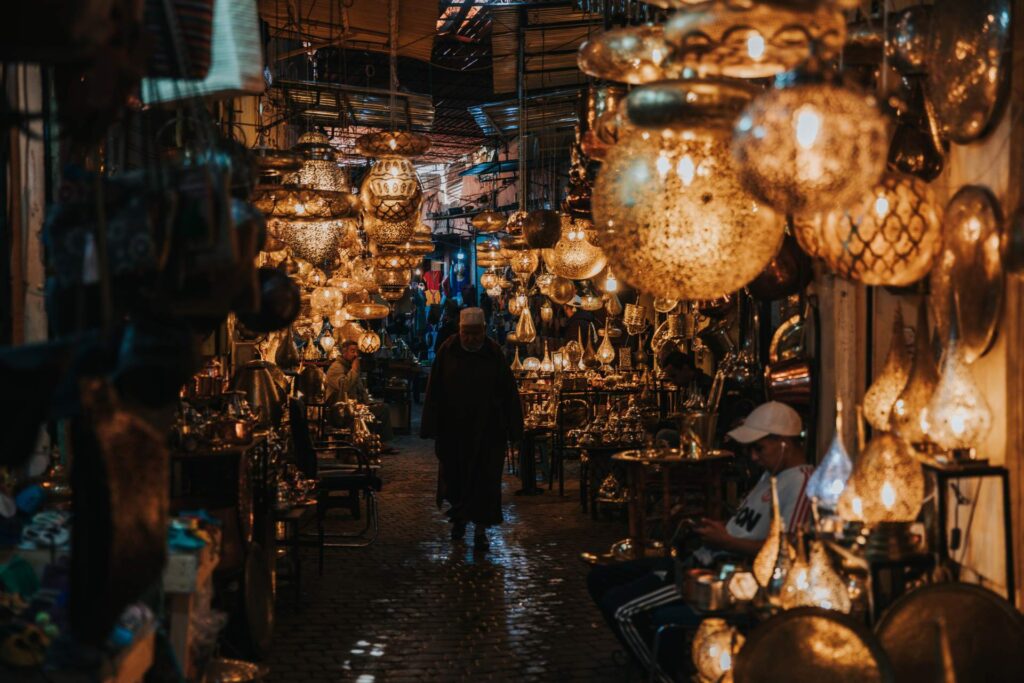
Fes houses one of the world’s largest car-free urban areas in its medieval medina, where visitors can explore ancient madrasas, the famous tanneries, and labyrinthine streets that have remained largely unchanged for centuries. The Royal Palace, although not accessible inside, impresses with its stunning seven front gates.
Chefchaouen: The Blue Pearl
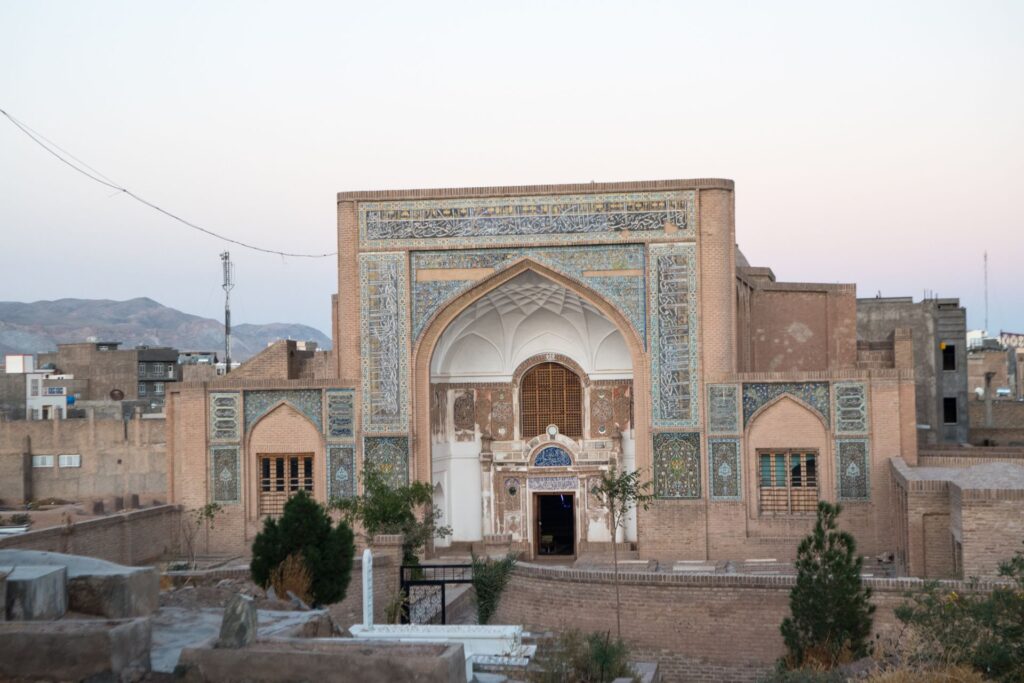
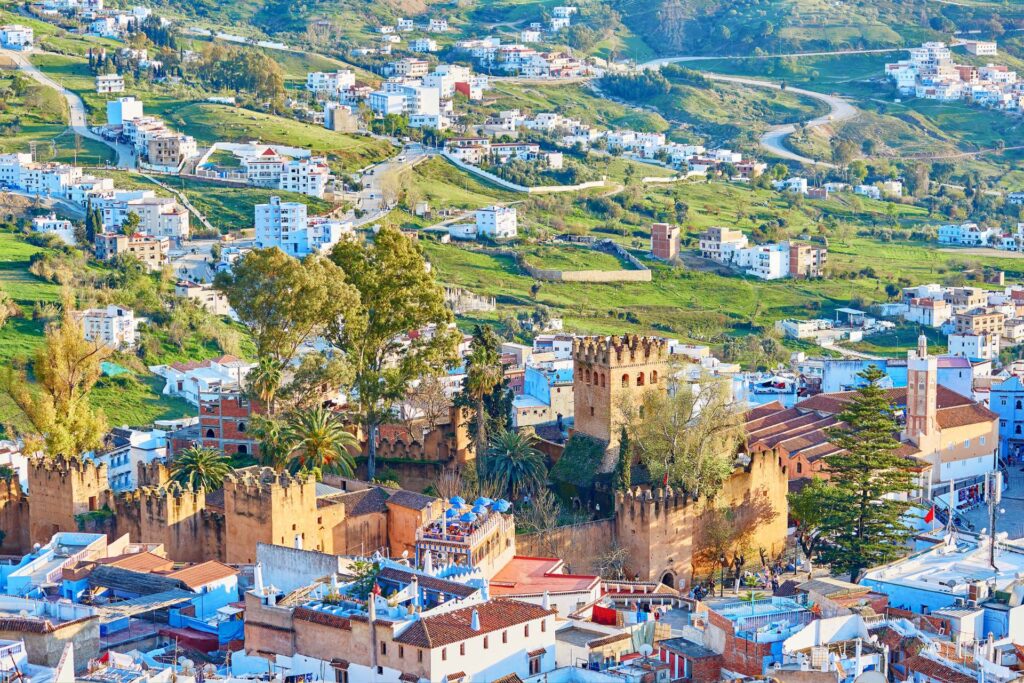
Chefchaouen, known as the “Blue Pearl,” is famous for its striking blue-washed buildings nestled in the Rif Mountains. This relaxed city offers reasonable accommodations and is visually stunning, creating one of the most photogenic places in Morocco.
Casablanca: Modern Morocco
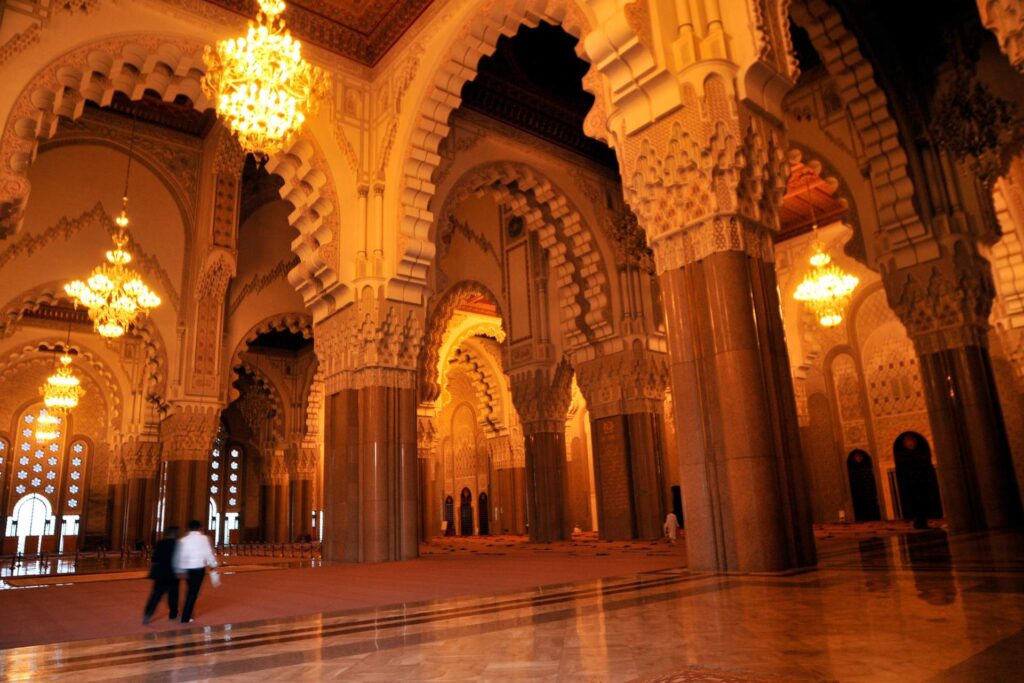
Casablanca represents modern Morocco with its cosmopolitan atmosphere, impressive Hassan II Mosque (one of the largest in the world), and sophisticated dining and shopping options. This bustling city feels like the heart of modern Morocco.
Essaouira: Coastal Charm
Essaouira offers coastal charm with its fortified medina, working fishing port, and windswept beaches that attract both travelers seeking relaxation and water sports enthusiasts. Located a few hours from Marrakesh on the Atlantic coast, it’s a popular beach destination.
These diverse cities and towns showcase Morocco’s remarkable variety, from imperial cities and mountain retreats to coastal getaways, making the country a fascinating place to explore over multiple visits.
Exploring the Sahara Desert
Venturing into the Sahara Desert is like stepping into a different world, one of endless dunes and starry skies.
The Sahara Desert is a highlight of any Morocco trip, offering an otherworldly landscape of endless golden dunes that create an unforgettable desert experience. Desert tours typically depart from gateway towns like Merzouga (for Erg Chebbi dunes) or Zagora (for Erg Chigaga dunes), with options ranging from day trips to multi-day excursions.
Desert Tours and Experiences
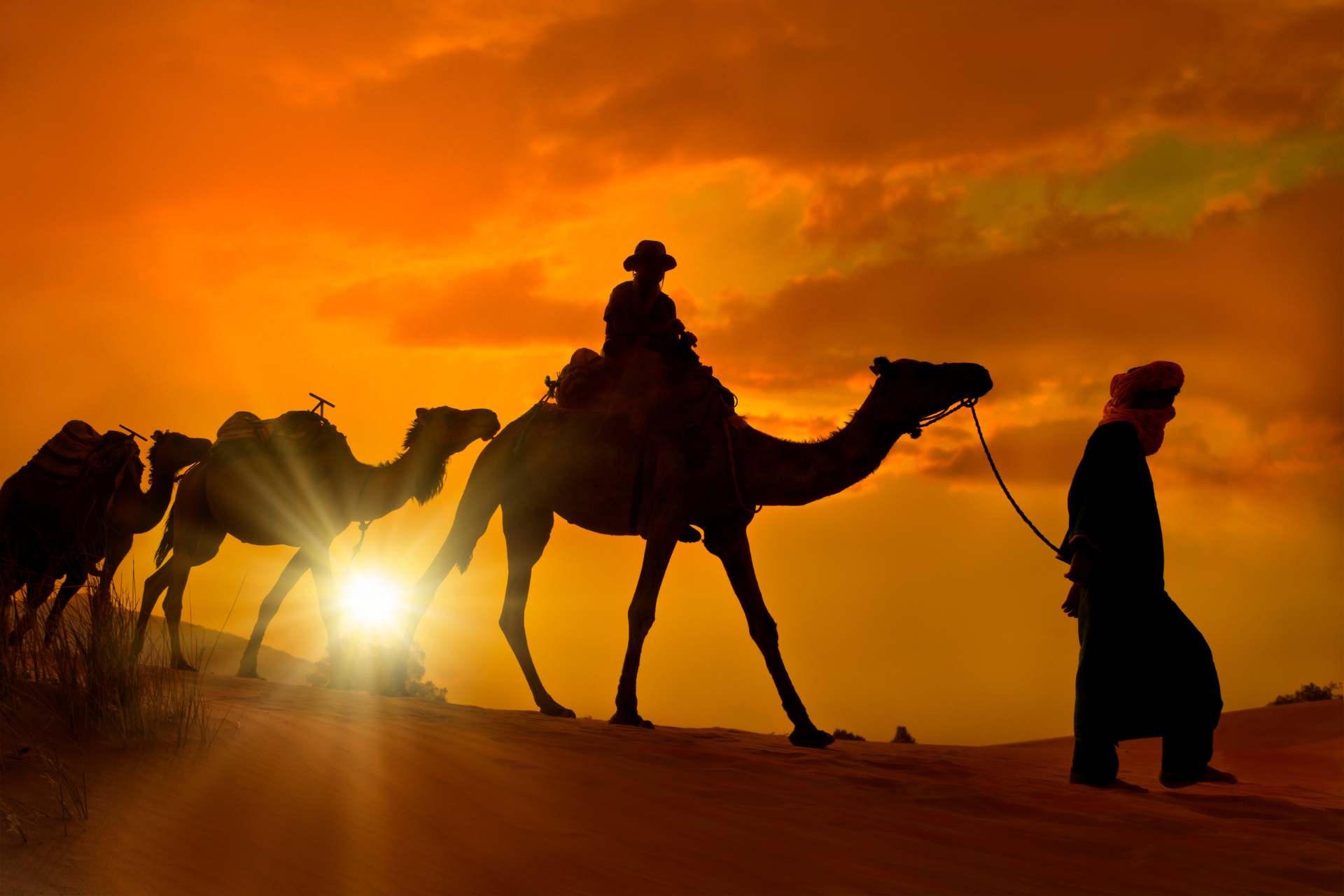
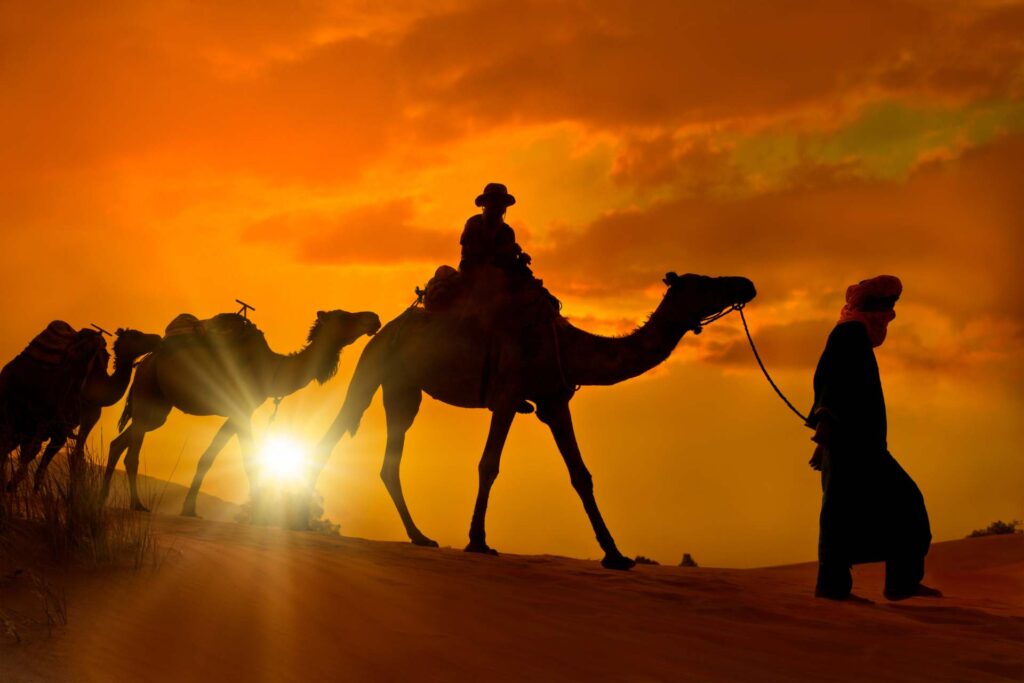
Camel treks are the traditional way to traverse the desert, allowing you to experience the Sahara as nomadic travelers have for centuries. Though 4×4 vehicles and quad bikes are also available for more adventurous travelers, camel rides offer a unique and authentic way to explore the dunes.
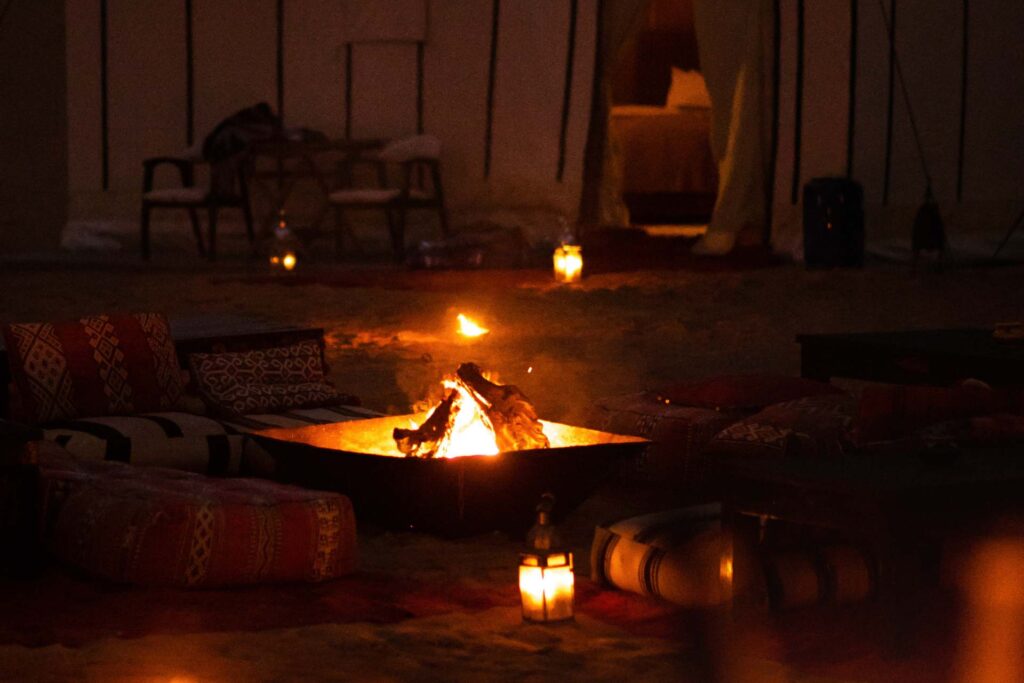
Desert tours often include a range of activities, such as sandboarding down the dunes, watching the sunset over the desert, and enjoying traditional Berber music around campfires.
What to Expect During a Desert Stay
Overnight stays in desert camps range from basic tents to luxury “glamping” experiences, all offering the magical experience of sleeping under the star-filled Saharan sky. You can expect to enjoy local cuisine, learn about the nomadic way of life, and participate in cultural activities during your stay.
The desert climate is extreme, with scorching daytime temperatures that can exceed 100°F (38°C) in summer and drop dramatically at night, making spring and fall the ideal seasons for your desert trip. Plan your visit accordingly to make the most of your day-long adventure in the Sahara.
The Complete Morocco Travel Guide: Transportation Options
To explore Morocco efficiently, it’s essential to know the different transportation options at your disposal. Morocco’s transportation network is varied, offering several ways to navigate both within and between cities.
Getting Around Cities
Within Moroccan cities, petit taxis are the most common mode of transportation. These small vehicles can carry up to three passengers and are affordable, with fares that should be negotiated in advance to ensure a fair price. In larger cities like Marrakesh and Casablanca, metered taxis are also available, providing an alternative for getting around.
Traveling Between Cities
For intercity travel, Morocco offers several reliable options. The national rail network, operated by ONCF, connects major cities like Marrakesh, Casablanca, Rabat, and Fez with comfortable and generally punctual service. For example, the journey from Marrakesh to Casablanca takes approximately 2.5 hours by train. Intercity buses from companies like CTM and Supratours provide an economical alternative, with air-conditioned coaches serving routes throughout the country.
Renting a Car in Morocco
While renting a car in Morocco gives you the freedom to explore at your own pace, it’s not recommended for inexperienced drivers due to aggressive driving styles and high accident rates. However, for those willing to venture off the beaten path, car rental can be a viable option.
In conclusion, Morocco’s transportation options cater to various needs and preferences, from affordable petit taxis within cities to efficient trains and buses for intercity travel. Understanding these options can significantly enhance your travel experience in Morocco.
Where to Stay in Morocco
From luxurious riads to budget-friendly hostels, Morocco has a wide variety of accommodation options to suit every traveler’s needs. When choosing where to stay, it’s essential to consider the type of experience you’re looking for.
Traditional Riads
Traditional riads are one of the most distinctive places to stay in Morocco. These restored historic homes feature interior courtyards or gardens and offer an authentic cultural experience in the heart of the medinas. The architecture is typically stunning, with intricate tilework and traditional Moroccan craftsmanship.
Hotels and Resorts
For travelers seeking modern amenities and facilities, Morocco offers international hotel chains and luxury resorts, particularly in tourist destinations like Marrakesh and Casablanca. These establishments provide comfort and convenience, often with spectacular views of the city.
Budget Accommodations
Budget travelers can find affordable accommodations in hostels, with dorm beds starting around 50-110 MAD per night and private rooms from 260-380 MAD. For those who prefer to stay in nature, wild camping is also an option, as it is legal in Morocco for those traveling with a tent.
When choosing your accommodation, consider the location carefully. Staying within the medina puts you close to major attractions but can be noisy, while staying outside offers more tranquility but requires transportation to sightseeing spots.
Moroccan Cuisine and Dining
Moroccan food is a sensory experience, with dishes that are both flavorful and visually appealing, reflecting the country’s rich cultural heritage. The cuisine is characterized by its use of aromatic spices, herbs, and a blend of cultural influences.
Must-Try Traditional Dishes
Moroccan cuisine offers a variety of traditional dishes that are a must-try when visiting. Couscous, the national dish, is steamed semolina grains topped with vegetables and meat in a savory broth, typically served on Fridays. Tagine, another iconic dish, refers to slow-cooked stews prepared in a conical clay pot, combining meat with fruits, vegetables, and spices. Pastilla, a savory pie filled with poultry or seafood, mixed with almonds, eggs, and spices, is a complex and flavorful dish.
Other notable mentions include Harira, a hearty soup made from tomatoes, lentils, chickpeas, and lamb, traditionally served during Ramadan to break the fast each day. The variety of bread, known as Khobz, accompanies almost every meal and is used to scoop up tagines, dips, and salads.
Mint Tea and Coffee Culture
Mint tea is more than just a beverage in Morocco; it’s a symbol of hospitality and friendship. Prepared ceremoniously by pouring the tea from a height to create a frothy top, it’s served throughout the day on almost every occasion. The tea is made with fresh mint and real blocks of sugar, ranging from lightly sweetened to very sweet.
Dining Etiquette
When dining in Morocco, it’s essential to be mindful of local customs. Eating with your right hand is a must, as the left hand is considered unclean. Accepting food and drink when offered is a sign of respect, and expressing appreciation for the meal is customary. Understanding these dining etiquette tips can enhance your culinary experience in Morocco, making it a more enjoyable and respectful way to engage with the local culture over time and in a friendly way.
Cultural Considerations and Etiquette
As you prepare for your trip to Morocco, it’s essential to familiarize yourself with the local culture and etiquette. Morocco is a country with a rich cultural heritage, and understanding its customs will enhance your experience as travelers.
Dress Code and Modesty
Dressing modestly is crucial, especially for women. Wear tops that cover your chest and shoulders, and lightweight pants or skirts that cover your knees. When visiting mosques, ensure your shoulders and chest are covered.
While head coverings are not mandatory, carrying a scarf is advisable. For both men and women, removing shoes before entering mosques is a sign of respect.
Religious Customs
Morocco is an Islamic country, and religious customs are significant in daily life. Be aware of the five daily prayers and respect the holy day on Fridays. During Ramadan, understanding and respecting fasting customs is appreciated by locals.
When interacting with people in Morocco, a respectful attitude and basic Arabic greetings can go a long way. Public displays of affection are generally frowned upon.
Shopping in Moroccan Souks
Exploring Morocco’s souks is like stepping into a different world, where the art of haggling and the joy of discovery come together. The souks are not just places to shop; they are cultural hubs that offer a glimpse into the country’s rich heritage.
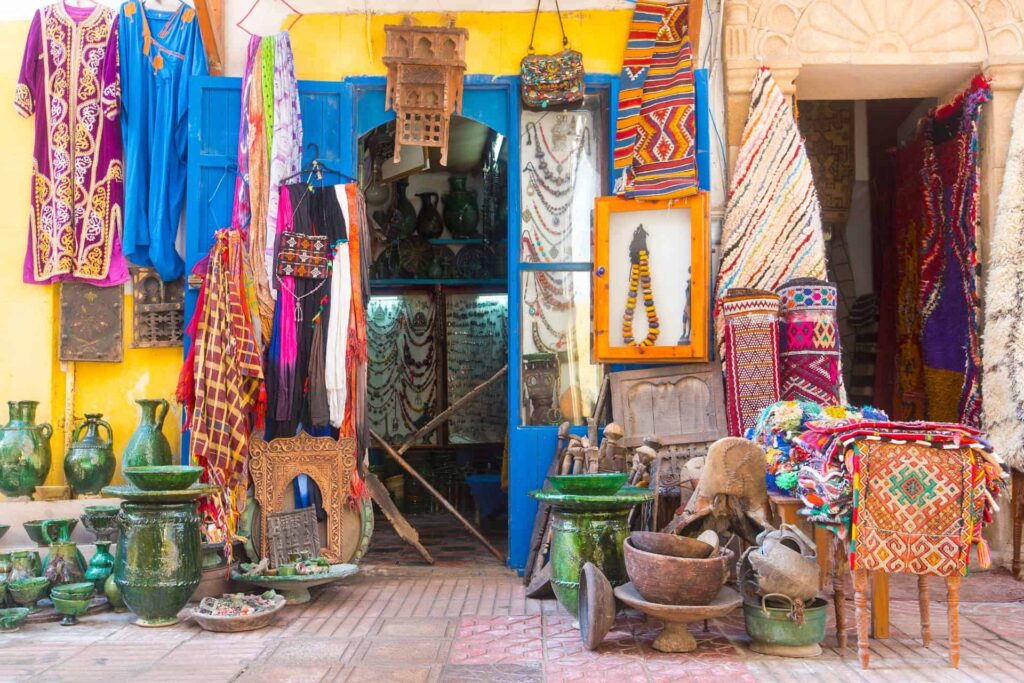
Shopping in Moroccan souks is an essential cultural experience, with each city offering its own specialized markets selling everything from handcrafted leather goods to intricate metalwork and colorful textiles. The Medina in Fez is one of the most expansive Medinas in the country, providing an authentic shopping experience.
Haggling Tips
Haggling is not just accepted but expected in the souks. To navigate this effectively, start by offering about 40% of the initial asking price and work your way up to a mutually agreeable figure. Understanding this art form is crucial to enjoying your shopping experience.
What to Buy
Popular purchases include handwoven Berber carpets, leather goods from the famous tanneries, hand-painted ceramics, argan oil products, spices, and metal lanterns that showcase traditional craftsmanship. When shopping, take your time to compare prices between different stalls, as similar items can vary significantly in cost depending on quality and location within the souk.
It’s advisable to allocate extra money and luggage space for shopping, as many travelers find the variety and quality of handcrafted items irresistible and end up purchasing more than anticipated. For larger items like carpets or furniture, many shops offer international shipping services, though it’s wise to research shipping costs and customs regulations for your home country beforehand.
Shopping with a local guide can help you find the best quality items at fair prices while navigating the labyrinthine markets, especially in larger cities like Marrakesh and Fez. This can enhance your overall shopping experience and ensure that you make the most of your time in the souks.
Outdoor Adventures in Morocco
Morocco is a paradise for outdoor enthusiasts, offering a diverse range of adventures. From hiking in the Atlas Mountains to surfing along the Atlantic coast, there’s something for every kind of traveler.
Hiking the Atlas Mountains
The Atlas Mountains stretch over 2,400 kilometers, offering breathtaking views and challenging treks. Jebel Toubkal, North Africa’s highest peak, is a popular destination for hikers. The best time to hike is from April to May when temperatures are moderate.
Coastal Activities
Morocco’s extensive coastline offers excellent opportunities for water sports. Places like Taghazout and Essaouira are renowned for surfing, with consistent waves during the winter months. The mild air and water temperature make it ideal for surfers.
Adventure Sports
Beyond surfing, Morocco offers a range of adventure sports. Visitors can enjoy rock climbing in the Todra Gorge, mountain biking through Berber villages, or even skiing in Oukaïmeden during the winter months. These activities make Morocco a great destination for adventure seekers.
Safety Tips for Travelers
While Morocco is considered a safe destination, there are certain precautions travelers should take to avoid common pitfalls. Being aware of your surroundings and understanding local customs can significantly enhance your safety.
Common Scams to Avoid
One of the most common scams involves fake guides approaching tourists and offering unsolicited assistance, only to demand payment later. To avoid this, always arrange official guides through your accommodation or local tourist offices. Be cautious of overly friendly people who approach you in tourist areas, as this is often the beginning of a sales pitch or scam.
Health Precautions
To stay healthy, it’s crucial to drink only bottled or filtered water. Consider carrying a water bottle with a built-in filter, such as LifeStraw, to ensure your drinking water is always safe. Travelers should also be cautious with street food and carry basic medications for stomach issues.
Solo Female Travel Advice
Solo female travelers should dress modestly and project confidence to minimize unwanted attention. Wearing a wedding ring and mentioning a husband can sometimes reduce harassment. It’s also advisable to avoid walking alone at night in cities.
Budget Planning for Morocco
Effective budget planning is crucial for a successful Morocco trip, as costs can vary greatly depending on your travel style. Morocco offers a wide range of experiences that can fit various budgets, from backpacking to luxury travel.
Typical Costs
The daily costs in Morocco can vary significantly based on your travel preferences. On a tight budget, you can expect to spend around 285 MAD per day by staying in hostels, eating at local markets, and using public transportation. For a mid-range budget, the daily expenditure is approximately 525 MAD, allowing for private accommodations, restaurant meals, and train travel. Luxury travelers can expect to spend around 1,120 MAD or more per day, enjoying high-end accommodations, fine dining, and private transportation.
Money-Saving Tips
To save money on your Morocco trip, consider eating at local eateries rather than tourist restaurants, using shared transportation, and negotiating prices for souvenirs. Traveling during the shoulder seasons (April-May and September-October) can also result in significant savings on accommodations. Additionally, budgeting carefully for activities and allocating extra funds for shopping can help manage your expenses effectively.
Unique Experiences Not to Miss
Beyond the typical tourist attractions, Morocco offers a plethora of unique experiences that showcase its vibrant culture and traditions. Visitors can indulge in a variety of activities that provide a deeper understanding of the country’s heritage.
Traditional Hammam Spa
A traditional hammam is a must-visit for any traveler to Morocco. These steam baths, often found near mosques or toiletry shops, offer an authentic and rejuvenating experience. Choose between a public hammam for around 10 MAD or a more luxurious hotel hammam for 300-500 MAD.
Cooking Classes
Moroccan cuisine is a rich blend of Berber, Arabic, Turkish, Middle Eastern, and French flavors. Many hotels and guesthouses offer cooking classes where you can learn to prepare traditional dishes like tagine and couscous. Café Clock in Marrakech is a renowned spot for cooking classes.
Cultural Festivals
Morocco hosts various cultural festivals throughout the year, including the Fez Festival of World Sacred Music and Essaouira’s Gnaoua World Music Festival. These events offer a unique glimpse into the country’s rich cultural heritage and are not to be missed.
Historical Sites Beyond the Cities
Beyond the bustling cities, Morocco is home to numerous historical sites, including the remarkably preserved Roman ruins of Volubilis. Dating back to the 3rd century BCE, Volubilis offers a glimpse into ancient North African civilization.
Practical Travel Tips
To ensure a smooth journey, consider these practical travel tips for Morocco. Morocco is a vibrant country with a rich culture, but like any foreign travel, it requires some preparation.
Packing Essentials
When packing for Morocco, it’s crucial to include modest, lightweight clothing that covers shoulders and knees, a scarf for women to cover their heads when visiting religious sites, and comfortable walking shoes for navigating medinas. A universal power adapter is also a must, as Morocco uses type C and E plugs with 220V. Don’t forget to pack a reusable water bottle with a built-in filter, such as LifeStraw, to stay hydrated and reduce plastic waste.
Internet and Communication
For internet access, purchasing a local SIM card upon arrival is the most economical option. Providers like Maroc Telecom, Orange, and Inwi offer affordable data packages with good coverage in urban areas. This will help you stay connected and navigate the country more easily.
Photography Etiquette
Photography etiquette is particularly important in Morocco. Always ask permission before photographing people, especially in rural areas where some may have religious objections. Be prepared to offer a small tip in some cases, and be aware that some locations, particularly religious sites, may charge an additional fee for photography or prohibit it entirely.
Tipping Customs
Tipping, known as “baksheesh,” is an expected part of the service culture in Morocco. The standard tip is 10% in restaurants (if not included), 10-20 MAD for hotel porters, and 10% of the day rate for guides and drivers. Understanding these customs will help you show respect and appreciation for the services you receive.
By following these practical travel tips, you’ll be well-prepared for your trip to Morocco and can enjoy a more stress-free and enriching experience.
Conclusion
As we conclude this comprehensive Morocco travel guide, it’s clear that the country’s diverse landscapes and rich cultural heritage offer travelers an unforgettable experience. Morocco stands out as a premier travel destination in North Africa, with its vibrant cities, majestic mountains, and serene deserts.
The best time to visit Morocco depends on your itinerary and preferences, but spring (March-May) and fall (September-November) generally offer the most pleasant weather for exploring multiple regions. Whether you’re planning a short city break or an extended trip exploring multiple regions, this guide provides the framework for creating your perfect Moroccan itinerary.
Moroccan cuisine deserves special attention during your travels, with its unique blend of Berber, Arab, and European influences creating distinctive flavors found nowhere else in the world. From the bustling medinas of Marrakesh and Fez to the tranquil blue streets of Chefchaouen and the majestic Atlas Mountains, Morocco offers a remarkable variety of experiences in a relatively compact country.
Cultural sensitivity goes a long way in Morocco – respecting local customs regarding dress, photography, and interactions with local people will enhance your experience and create more meaningful connections. With plentiful transportation options between cities, including trains, buses, and grand taxis, navigating between major destinations is relatively easy without renting a car.
In conclusion, Morocco rewards travelers who approach it with an open mind and a sense of adventure. Whether you’re drawn to Morocco for its ancient cities, stunning landscapes, rich culture, or delicious food, this diverse country offers something for every type of traveler and will likely leave you planning your next visit before you’ve even departed.