
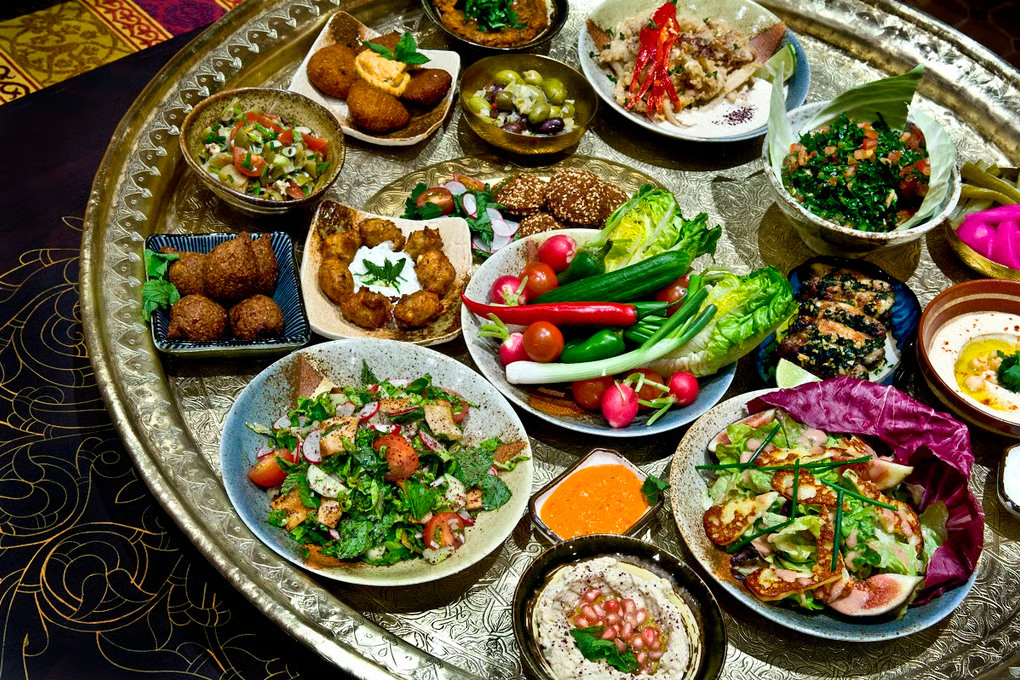
What makes Moroccan cuisine so uniquely flavorful and aromatic? Is it the blend of spices, the slow-cooked stews, or the vibrant markets filled with fresh produce? Moroccan cuisine is a rich tapestry of traditional dishes and ingredients that have been perfected over centuries. The distinctive flavors of Moroccan cuisine are shaped by its cultural heritage and geographical location. From the aromatic couscous dishes to the hearty tagines, each meal is a reflection of the country’s history and traditions. This comprehensive list of Moroccan food will explore the essential elements that make up Moroccan cuisine, providing a thorough introduction to the country’s culinary treasures.
The Rich Heritage of Moroccan Cuisine
Moroccan cuisine is a rich tapestry of flavors, reflecting the country’s strategic position at the crossroads of Europe, Africa, and the Middle East. This unique culinary heritage is the result of centuries of cultural exchange and influence from various traditions, including Arab, Berber, Mediterranean, and Andalusian.
Influences on Moroccan Food
The diverse influences on Moroccan cuisine have shaped its characteristic flavor profiles and cooking techniques. The geographical position of Morocco has significantly contributed to its food culture, with different cultures leaving their mark on the cuisine. As a result, Moroccan dishes often feature complex and layered flavors.
The Importance of Communal Dining
In Moroccan culture, communal dining is an integral part of the cuisine. Meals are typically served with multiple dishes placed in the center of the table, encouraging sharing and togetherness. This communal aspect of dining reflects the importance of hospitality in Moroccan culture, where meals are often elaborate and generous.
Essential Spices in Moroccan Cooking
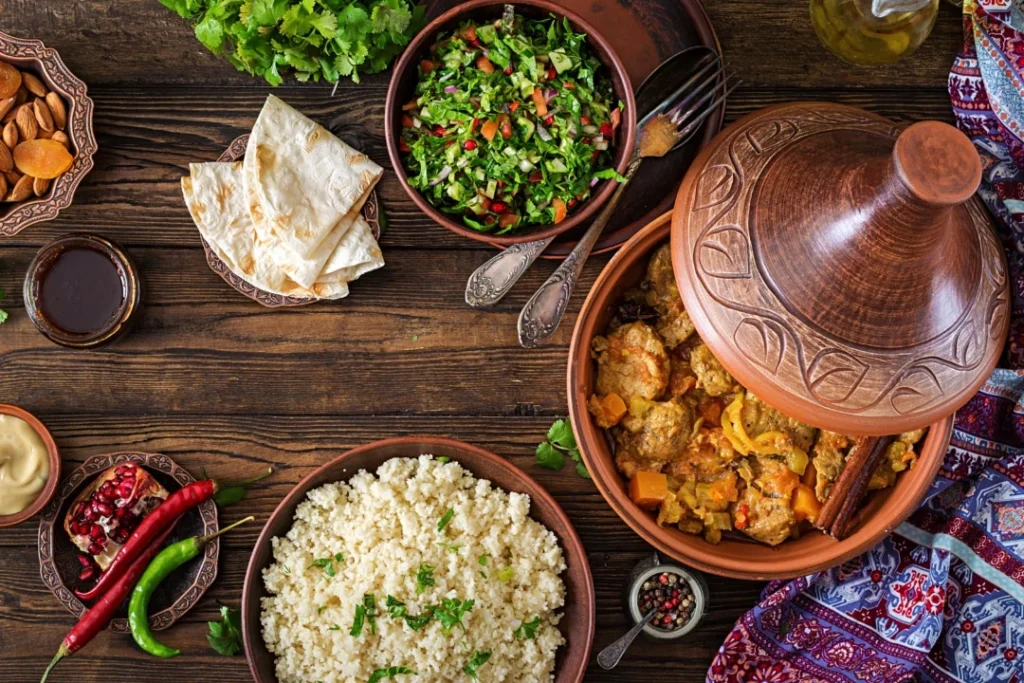
Moroccan cuisine is renowned for its rich and complex use of spices, which form the backbone of its distinctive flavor profiles. The skillful blending of spices is a hallmark of Moroccan cooking, creating a depth of flavor that characterizes the cuisine.
Ras el Hanout
Ras el hanout, meaning “top of the shop,” is a signature Moroccan spice blend that can contain up to 30 different spices, including cardamom, nutmeg, anise, cinnamon, ginger, and various peppers.
Cumin, Saffron, and Cinnamon
Cumin is perhaps the most widely used individual spice in Moroccan dishes, providing an earthy foundation for many recipes. Saffron, though expensive, is used in special Moroccan dishes to impart its distinctive color and flavor. Cinnamon appears in both savory and sweet Moroccan preparations.
How Spices Are Used in Moroccan Dishes
Moroccan cooks typically toast whole spices before grinding them to enhance their aromatic qualities and depth of flavor. The skillful use of spices in Moroccan cooking creates distinctive flavor profiles without necessarily making dishes spicy-hot.
Key Ingredients in a Moroccan Kitchen
The heart of Moroccan cooking lies in its staple ingredients, which bring together the flavors and textures that define this vibrant cuisine. A traditional Moroccan kitchen is stocked with a variety of ingredients that are used to create the country’s iconic dishes.
Preserved Lemons
Preserved lemons are a cornerstone ingredient in Moroccan cooking, made by fermenting whole lemons in salt and their own juice until they develop a unique tangy flavor and soft texture. The distinctive taste of preserved lemons cannot be substituted, as they add a complex citrus dimension to tagines, salads, and sauces that fresh lemons cannot provide.
Olives and Olive Oil
Olives and olive oil feature prominently in Moroccan cuisine, with different varieties of olives used in various dishes and high-quality olive oil used for both cooking and finishing dishes. This combination adds richness and depth to Moroccan recipes.
Nuts, Dried Fruits, and Honey
Nuts, particularly almonds, are used extensively in both savory and sweet Moroccan preparations, adding texture and richness to many traditional recipes. Dried fruits like apricots, dates, and prunes are commonly paired with meats in Moroccan cooking, creating the characteristic sweet-savory flavor profile. Honey is a prized ingredient in Moroccan cuisine, used not only in desserts but also to balance flavors in savory dishes, especially those featuring lamb or poultry.
Traditional Moroccan Condiments and Sauces
The use of condiments and sauces in Moroccan cuisine is a testament to its rich gastronomic heritage. These essential components add complexity and depth to various dishes, making them more flavorful and aromatic.
Harissa
Harissa, a spicy North African hot sauce, is made with dried chiles, garlic, olive oil, and spices. Its heat level varies depending on the region and family recipe, making it a versatile condiment in Moroccan cooking. Harissa can be used as a condiment, stirred into soups, or mixed with olive oil to create a flavorful sauce for grilled meats.
Chermoula
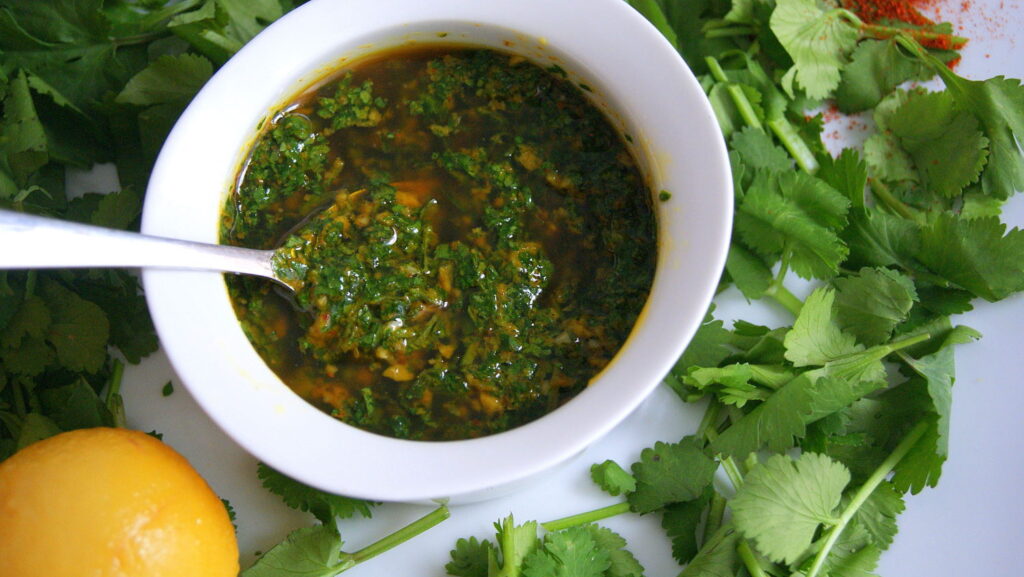
Chermoula is a vibrant herb-based marinade that combines cilantro, parsley, preserved lemon, garlic, and spices. Traditionally used with fish, it’s also excellent with all proteins and vegetables, adding a fresh and aromatic flavor to dishes.
These condiments not only add flavor but also serve as important preservatives in traditional Moroccan food culture, extending the shelf life of dishes in a hot climate. The balance of heat, acidity, and aromatic elements in Moroccan sauces demonstrates the sophisticated flavor layering that characterizes this cuisine.
Iconic Moroccan Tagine Dishes
Moroccan tagine dishes are celebrated for their rich flavors and slow-cooked perfection, making them a favorite among food enthusiasts. The tagine, both a cooking vessel and the dish prepared in it, is perhaps the most iconic representation of Moroccan cuisine.
The distinctive conical lid of the tagine pot is designed to return condensation to the simmering food, creating a unique cooking process that tenderizes tougher cuts of meat while infusing them with aromatic spices.
Chicken Tagine with Preserved Lemon and Olives
A classic Moroccan preparation, chicken tagine with preserved lemon and olives perfectly balances savory, tangy, and briny flavors. This dish typically features chicken thighs marinated in Moroccan spices, resulting in a rich sauce served over couscous.
Lamb Tagine with Prunes and Almonds
Lamb tagine with prunes and almonds exemplifies the Moroccan talent for combining meat with sweet elements. The sweetness of dried fruits complements the rich lamb, creating a complex and flavorful dish that’s both hearty and sophisticated.
Vegetable Tagine
For a vegan option, vegetable tagine showcases the versatility of this cooking method. Seasonal vegetables are slow-cooked with aromatic spices until they develop a rich, concentrated flavor, making it a perfect stew for colder months.
These iconic dishes are traditionally served communally, directly from the tagine pot, with bread used to scoop up the flavorful sauce. Whether you’re preparing a chicken or lamb tagine, or opting for a vegetable version, the slow-cooked flavors and aromas are sure to impress.
Couscous
In Morocco, couscous is more than just a meal; it’s a symbol of family unity and hospitality. This traditional dish is typically prepared every Friday, bringing families together for a communal dining experience. The preparation of couscous is an art form, involving the steaming of semolina flour to create light, fluffy grains.
Couscous is often served with a variety of vegetables, meats, and a flavorful broth, making it a hearty and satisfying meal. The dish is not only a staple in Moroccan cuisine but also a representation of the country’s rich cultural heritage.
Traditional Seven-Vegetable Couscous
The traditional seven-vegetable couscous is a vibrant representation of Moroccan cuisine, featuring a colorful arrangement of seasonal vegetables such as carrots, turnips, zucchini, cabbage, pumpkin, and chickpeas atop the couscous. This version is a testament to the country’s agricultural abundance and the importance of communal dining. The vegetables are carefully selected to create a harmonious balance of flavors and textures.
The traditional seven-vegetable couscous is often served during special occasions, highlighting its significance in Moroccan culture.
Regional Variations of Couscous
While traditional couscous is a staple throughout Morocco, regional variations exist, reflecting the country’s diverse culinary landscape. Coastal regions incorporate seafood into their couscous dishes, while mountainous areas feature more root vegetables. In desert regions, couscous is often enriched with dates and nuts, adding a sweet and crunchy texture to the dish. These regional variations demonstrate the versatility of couscous and its ability to adapt to different culinary traditions.
Moroccan Breads and Baked Goods
From the crusty Khobz to the flaky M’smen, Moroccan breads are as diverse as they are delicious, reflecting the country’s rich culinary heritage. Bread is fundamental to Moroccan cuisine, serving not only as nourishment but also as the primary utensil for eating, used to scoop up tagines, salads, and dips.
Khobz: Everyday Moroccan Bread
Khobz, the everyday Moroccan bread, is a round, slightly flattened loaf with a dense crumb and crisp crust, traditionally baked in communal ovens and purchased fresh daily. The importance of bread in Moroccan culture is reflected in customs such as never throwing away bread and picking up any bread that falls to the ground and kissing it before setting it aside for animals.
M’smen and Baghrir: Traditional Pancakes
M’smen is a laminated flatbread, similar to Indian paratha, that’s folded with butter or oil to create flaky layers, then cooked on a griddle until golden and crisp. It’s the ideal vehicle for almost any dip and a gorgeous base on which to pile a salad or braised vegetables and meat. For breakfast, M’smen can be crisped up in a pan with a little butter or oil and served with harissa-spiced yogurt, merguez sausage, and eggs.
Baghrir, known as “thousand-hole pancakes,” are spongy semolina pancakes with a distinctive honeycomb texture that perfectly captures honey or syrup poured over them. These traditional breads showcase the diversity of Moroccan baking techniques, from the simple daily Khobz to more elaborate preparations for special occasions.
Complete List of Moroccan Food Staples
Exploring Moroccan food staples is like taking a culinary journey through the country’s history and regions. Moroccan cuisine is a rich tapestry of flavors, influenced by its cultural heritage and geographical location. The staples of Moroccan cooking include a variety of dishes that are enjoyed on a daily basis as well as on special occasions.
Meat and Poultry Dishes
Meat and poultry are central to Moroccan cuisine, with chicken being a particularly accessible protein. It is prepared in numerous ways, from simple grilled dishes to complex tagines with preserved lemons and olives. Lamb is the preferred meat for special occasions, featured in dishes like mechoui (slow-roasted whole lamb) and mrouzia (sweet and spicy lamb with honey and raisins).
Seafood Specialties
In coastal regions of Morocco, seafood is a prominent part of the cuisine. Dishes include charmoula-marinated fish, fish tagines with vegetables, and various preparations of sardines, which are abundant in Moroccan waters. These seafood specialties showcase the freshness and flavor of the Mediterranean and Atlantic seafood.
Vegetarian Options
Despite its meat-centric reputation, Moroccan cuisine offers a variety of vegetarian dishes. Options like zaalouk (eggplant salad), taktouka (pepper and tomato salad), and vegetable couscous provide flavorful plant-based alternatives. These dishes highlight the versatility of Moroccan cooking techniques and ingredients.
Understanding these Moroccan food staples provides a foundation for exploring the breadth of the cuisine, from everyday meals to elaborate feasts. The diversity and richness of Moroccan dishes make it a fascinating culinary tradition to explore.
Moroccan Soups and Stews
Moroccan soups and stews are a testament to the country’s culinary ingenuity, turning simple ingredients into nourishing meals. These hearty preparations are not just a staple during colder months but also play a significant role in religious and cultural practices.
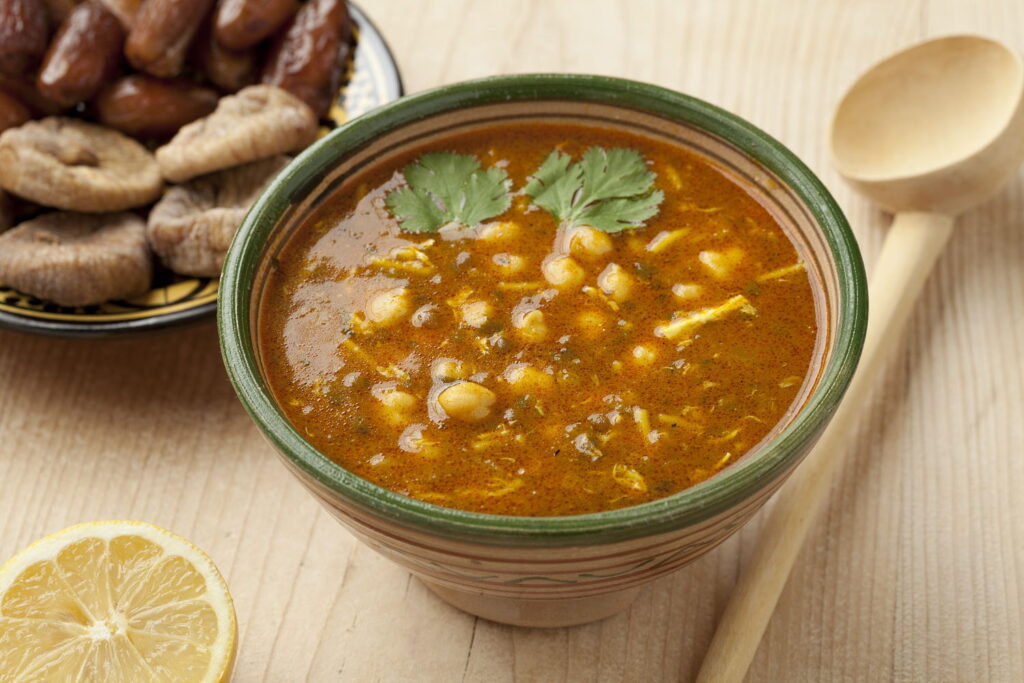
The significance of soups in Moroccan cuisine can be seen in their role during religious observances, such as Ramadan, where they serve as a complete meal to break the fast. Harira, the most famous Moroccan soup, is traditionally served during this time, combining tomatoes, lentils, chickpeas, and sometimes meat in a thick, fragrant broth seasoned with cinnamon, ginger, and fresh herbs.
Harira: The Ramadan Soup
Harira is more than just a soup; it’s a symbol of family unity during Ramadan. It’s prepared daily for the iftar meal, bringing families together. The ingredients are carefully selected to provide a nutritious meal after a day of fasting, making it a complete meal that is both filling and nutritious.
Bissara and Other Bean Soups
Bissara, a creamy fava bean soup, exemplifies the simpler side of Moroccan cuisine. It’s often topped with olive oil, cumin, and sometimes a dollop of harissa for added heat. Regional variations of bean soups reflect local ingredients and preferences, showcasing the diversity of Moroccan culinary traditions.
These soups demonstrate the Moroccan talent for creating deeply satisfying dishes from humble ingredients, often using bread as an accompaniment to complete the meal. The slow cooking process typical of Moroccan soups allows flavors to develop fully, making efficient use of fuel, an important consideration in traditional cooking.
Traditional Moroccan Salads
Moroccan salads are an integral part of the country’s gastronomic identity, showcasing a variety of flavors and ingredients. These salads differ significantly from Western concepts, often featuring cooked vegetables served at room temperature with distinctive spice profiles. Moroccan meals typically begin with an array of small salads served simultaneously, creating a colorful mosaic of flavors and textures that stimulate the appetite.
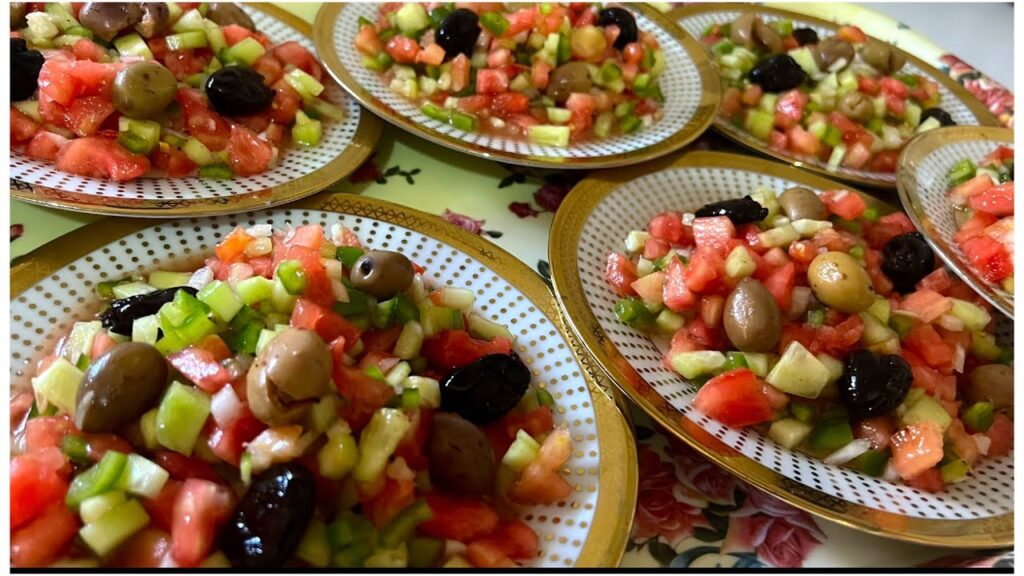
Eggplant Salad: Zaalouk
Zaalouk, a smoky eggplant salad, showcases the Moroccan talent for transforming simple ingredients into complex-tasting dishes. The preparation involves charring eggplants to develop a smoky flavor, then mixing with tomatoes, garlic, and spices before finishing with good olive oil and lemon juice. This versatile dish can be served as a salad, in a tagine, or as a dip with bread.
Taktouka and Other Vegetable Salads
Taktouka and other vegetable salads feature roasted peppers, tomatoes, and various seasonal vegetables, each with a unique spice profile. These salads serve multiple purposes in Moroccan cuisine – as appetizers, side dishes, or accompaniments to grilled meats and fish. The use of fresh ingredients and olive oil enhances the flavor of the salad, making it a refreshing addition to any meal.
Moroccan Breakfast Essentials
Moroccan breakfasts are a fascinating blend of sweet and savory flavors, often enjoyed with a steaming cup of mint tea. This meal is a cornerstone of Moroccan daily life, providing the energy needed for the day ahead.
Beghrir: Thousand-Hole Pancakes
Beghrir, or thousand-hole pancakes, are a staple of Moroccan breakfasts. Made from semolina batter and cooked on one side, they develop a characteristic honeycomb texture that’s perfect for absorbing honey or butter. The yeast in the batter creates bubbles, forming the distinctive holes that give beghrir its name.
Mkila and Other Traditional Morning Foods
Mkila, a preserved meat similar to confit, is a breakfast favorite that’s often served with eggs and fresh bread. The salty flavor of mkila pairs perfectly with the sweetness of mint tea, creating a balanced breakfast experience. Other traditional morning foods include msemen (flaky square pancakes) and harcha (semolina bread), often enjoyed with olive oil and various egg dishes flavored with cumin and preserved lemon.
Sweet Treats and Desserts
With their intricate designs and rich flavors, Moroccan desserts are a treat for the senses, often incorporating honey, sugar, and almonds. These sweet treats are not just a delight to the palate but also reflect the country’s rich cultural heritage.
Moroccan desserts are known for their elaborate preparations and unique flavor combinations. They often feature a mix of nuts, honey, and aromatic spices, creating a distinct culinary experience.
Chebakia: Honey-Soaked Sesame Cookies
Chebakia are intricate flower-shaped pastries that are deep-fried and then soaked in honey flavored with orange blossom water. Traditionally served during Ramadan, these cookies are a labor of love, requiring careful preparation of the spiced dough and complex folding.
Gazelle Horns and Other Pastries
Gazelle horns, also known as Cornes de Gazelle, are crescent-shaped pastry cookies with a delicate almond filling scented with cinnamon and orange blossom water. These pastries showcase the baker’s skill and are a classic example of Moroccan dessert craftsmanship.
Beverages in Moroccan Culture
In Morocco, beverages are an integral part of the culture, reflecting the country’s rich heritage and hospitality. Drinks are not just a way to quench thirst but are deeply rooted in social rituals and traditions.
Moroccan Mint Tea: The Art of Preparation
Moroccan mint tea, often referred to as “Berber whiskey,” is a staple drink made with green tea, fresh mint leaves, and sugar. To prepare it, start by adding gunpowder tea pellets to a teapot. Heat water until boiling, then pour it over the tea leaves. Let it steep before pouring the tea into small decorative glasses.
Fresh Fruit Juices and Coffee
Fresh fruit juices, such as orange juice, are widely consumed in Morocco, often sold by street vendors who squeeze it to order. Coffee is also an important beverage, typically prepared with cardamom and other spices for a unique flavor.
Street Food Favorites in Morocco
Street food in Morocco is a reflection of the country’s rich culinary heritage. The streets are filled with vendors serving a variety of dishes that are both delicious and authentic. From grilled meats to fresh seafood, and from traditional snacks to quick bites, Moroccan street food offers a culinary experience like no other.
Grilled Meats and Seafood
Grilled meats are a staple in Moroccan street food, with skewers of seasoned kefta (spiced ground meat), chicken, and lamb being cooked over charcoal grills. In coastal cities, seafood is a popular choice, with vendors offering grilled sardines and calamari seasoned with chermoula and served with bread and harissa sauce. This combination of flavors and textures makes for a truly satisfying meal.
Snacks and Quick Bites
Moroccan street food also includes a variety of snacks and quick bites. Popular options include b’ssara (fava bean soup) served in the morning, sfenj (Moroccan doughnuts) enjoyed with tea, and sandwiches filled with various fillings from sardines to merguez sausage. These snacks are not only delicious but also provide a glimpse into the everyday eating habits of locals.
Regional Specialties Across Morocco
Morocco’s culinary landscape is characterized by a rich tapestry of regional specialties, shaped by local ingredients and cultural heritage. The country’s diverse geography, from the Atlas Mountains to the coastal regions, has given rise to unique cooking traditions that reflect the local culture and ingredients.
Marrakech: Tangia and Meshwi
Marrakech is renowned for its Tangia, a slow-cooked meat dish traditionally prepared in clay urns and cooked in the hot ashes of hammam fires. Another specialty is Meshwi, or whole lamb slow-roasted in an underground pit, resulting in tender and flavorful meat.
Coastal and Mountain Cuisine
The coastal regions, such as Essaouira and Agadir, feature seafood-centric cuisine with influences from Spanish and Portuguese traditions, including fish tagines and sardine kefta. In contrast, the mountain communities in the Atlas range maintain Berber culinary traditions, with dishes like couscous with seven vegetables and slow-cooked lamb with wild herbs. Understanding these regional specialties can enhance any culinary trip through Morocco.
Experiencing Authentic Moroccan Cuisine
Embarking on a culinary adventure in Morocco means immersing yourself in a world of aromatic spices, vibrant markets, and warm hospitality. Experiencing authentic Moroccan food goes beyond simply tasting the dishes—it involves understanding the cultural context, cooking techniques, and social rituals that surround each meal.
When planning a trip to Morocco, seeking out family-owned restaurants will provide the most authentic food experiences. Traditional Moroccan dinners often begin with multiple small salads and bread, followed by a main dish like couscous or chicken tagine, and concluding with mint tea.
To truly experience Moroccan cuisine, consider participating in a cooking class, where you can learn techniques like preparing couscous and balancing sweet and savory flavors. Don’t forget to explore the local street food, where you can enjoy freshly squeezed juice, egg-stuffed bread, and dishes flavored with cinnamon, lemon, and spices.