
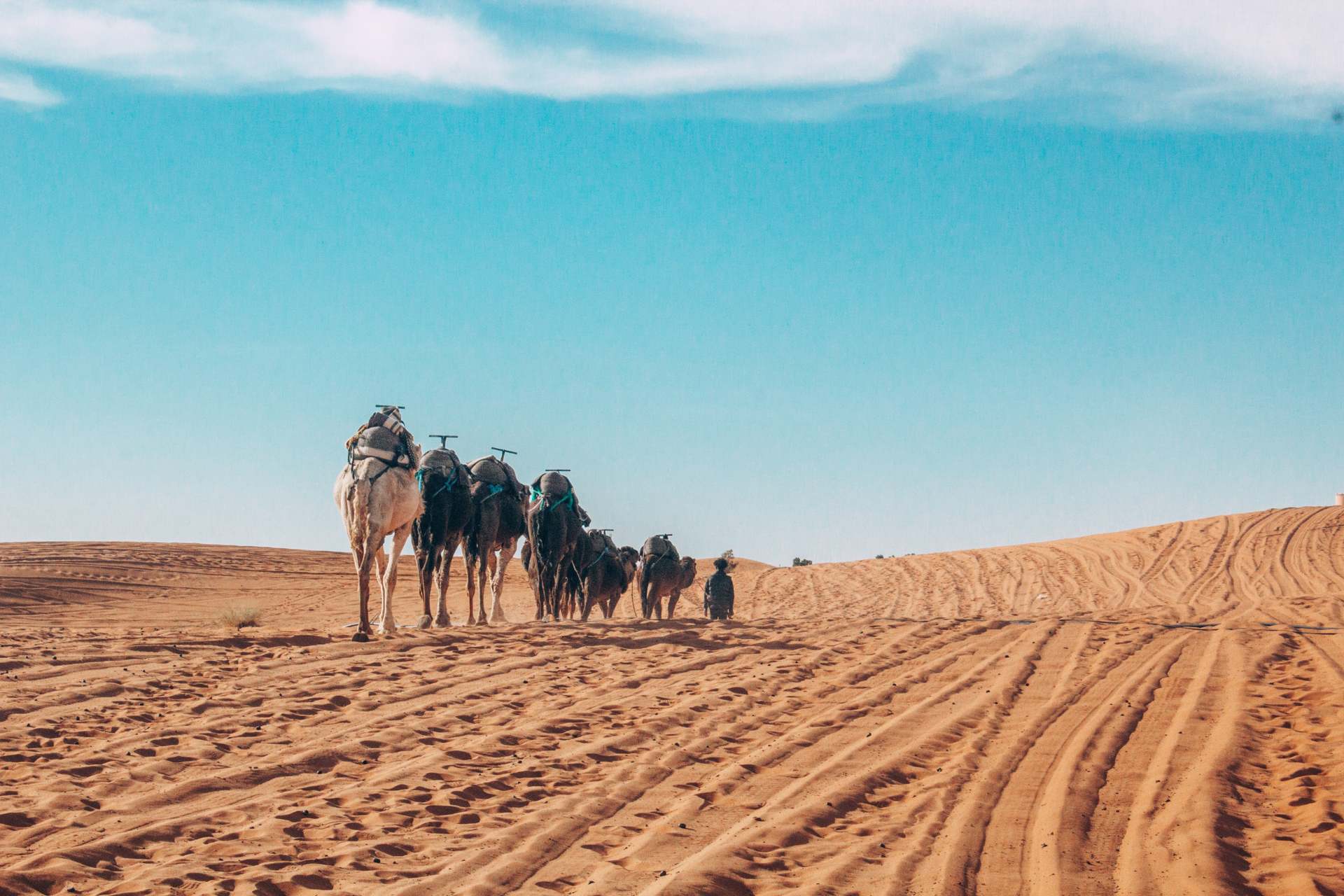
Morocco, a country of vibrant cultures and breathtaking landscapes, is a traveler’s paradise. From the bustling medinas to the serene Sahara Desert and picturesque coastal towns, Morocco offers a diverse experience that caters to all kinds of travelers. Many first-time visitors often ask how many days to see Morocco to truly experience its highlights. The answer varies based on your travel style, interests, and priorities.
Whether you’re looking for a quick getaway or an extended trip, Morocco has something for everyone. This comprehensive guide will help you determine the ideal time for your Moroccan adventure, ensuring you make the most of your trip. With detailed itineraries for different durations, you’ll be able to plan your experience in this captivating country.
Planning Your Morocco Trip
A well-planned trip to Morocco can be the difference between a good experience and a great one, with the right knowledge of the destination. Morocco is a country that offers a rich tapestry of cultures, landscapes, and experiences, making it a fascinating place to explore. As you start planning your trip, there are several key aspects to consider to ensure your journey is both enjoyable and stress-free.
Best Time to Visit Morocco
The best time to visit Morocco largely depends on your preferences and what you want to do during your trip. Generally, the spring (March to May) and autumn (September to November) are considered the best seasons to visit, with mild temperatures and fewer crowds. Summer can be very hot, especially in the desert regions, while winters can be cool, particularly in the mountains.
Getting Around Morocco
Morocco offers a variety of transportation options to suit different budgets and preferences. You can travel by bus, train, taxi, or rent a car. For longer distances, trains are a comfortable option, while buses can be more economical. Taxis are readily available, and for a more authentic experience, consider hiring a private driver for the day.
Accommodation Types in Morocco
From luxury riads to budget-friendly hostels, Morocco offers a wide range of accommodation options to suit all tastes and budgets. Riads, traditional Moroccan houses with interior courtyards, offer an authentic and unique experience, especially when located in the heart of medinas (old cities). Major cities like Marrakech and Fez have a wide selection of accommodations, while smaller towns may have more limited options.
For instance, I stayed at Riad La Maison Bleue, a luxury accommodation and spa in Fez, where a standard double room for two starts at $388 USD per night, including breakfast. This riad not only provided a luxurious stay but also an immersive cultural experience, highlighting the importance of choosing the right accommodation to enhance your overall destination experience.
How Many Days to See Morocco
The question of how many days are needed to see Morocco is a common dilemma for travelers eager to explore its many wonders. Morocco offers a diverse experience, from the bustling streets of Marrakech to the serene Sahara Desert. While it’s possible to get a glimpse of Morocco’s beauty in a short trip, the ideal duration varies based on several factors.
Factors That Influence Your Trip Length
Several factors influence the length of your Morocco trip. Your travel style, interests, and the type of experience you seek play significant roles. For instance, if you’re interested in exploring Morocco’s vibrant cities, rich cultural heritage, and historical sites, you’ll need more time. Additionally, the mode of transportation and your budget can also impact your trip duration.
Travelers who prefer a relaxed pace may find that longer stays are more enjoyable, allowing them to soak in the local culture and discover hidden gems. On the other hand, those with limited days may need to prioritize their must-see destinations.
Recommended Minimum Stay
While it’s possible to visit Morocco in 5 days, this duration is generally considered minimal for experiencing the country’s main attractions. A 5-day trip typically covers major destinations like Marrakech and the Sahara Desert but leaves little room for exploring beyond the highlights. For a more immersive experience, consider staying longer.
When More Time is Better
Spending more time in Morocco, typically 10 days or more, offers a deeper and more fulfilling experience. With additional days, you can visit less accessible regions such as the High Atlas Mountains or coastal towns, enjoy a more relaxed pace, and have the opportunity to wander and discover hidden gems. Longer stays also allow for more meaningful interactions with locals and the flexibility to adjust your plans based on new discoveries and recommendations.
Ultimately, the ideal duration for your Morocco trip depends on your personal preferences and travel goals. Whether you’re looking for a brief introduction to Morocco’s highlights or an in-depth exploration of its diverse landscapes and cultures, planning your trip according to your interests will ensure a memorable experience.
5 Days in Morocco: The Essential Experience
Morocco in 5 days? It’s a challenge, but with the right itinerary, you can experience the essence of this captivating country. Morocco is a land of contrasts, where vibrant cities, serene deserts, and majestic mountains await your discovery.
Day-by-Day Itinerary for 5 Days
A well-planned itinerary is crucial for making the most of your 5-day trip. Here’s a suggested daily breakdown:
- Day 1: Arrive in Marrakech, explore the bustling souks, and enjoy the vibrant atmosphere.
- Day 2: Visit the Atlas Mountains and experience Berber culture.
- Day 3: Travel to the Sahara Desert for a camel trek and overnight camping.
- Day 4: Continue exploring the Sahara and enjoy the tranquility of the desert.
- Day 5: Return to Marrakech for some last-minute shopping and reflection on your journey.
What You’ll See and What You’ll Miss
With 5 days, you’ll get to experience Marrakech’s vibrant culture, the Sahara Desert’s serene beauty, and the Atlas Mountains’ majesty. However, you’ll likely miss out on some of the country’s lesser-known gems and the opportunity to explore at a leisurely pace.
Is 5 Days Enough for Morocco?
While 5 days can provide a meaningful experience in Morocco, it’s a relatively short time to explore this diverse country. Travelers should be prepared for a somewhat rushed itinerary and have realistic expectations about what they can see and experience during their days in Morocco.
7 Days in Morocco: The Perfect Week-Long Adventure
Embark on a 7-day journey through Morocco, exploring its vibrant cities, majestic mountains, and vast deserts. Morocco, a country known for its rich cultural heritage and diverse landscapes, offers a unique experience for travelers. Whether you’re interested in exploring the bustling streets of Marrakech, trekking through the Atlas Mountains, or experiencing the tranquility of the Sahara Desert, a 7-day itinerary can provide a comprehensive taste of this fascinating country.
Northern Morocco 7-Day Route
The northern part of Morocco is home to a mix of cultural and historical landmarks. A 7-day route could include Tangier, Chefchaouen, and Fes, each offering unique experiences.
In Tangier, explore the Medina and visit the Kasbah. Then, head to Chefchaouen, known for its blue-painted buildings and relaxed atmosphere. Finally, visit Fez, with its well-preserved ancient Medina and vibrant cultural scene.
Southern Morocco 7-Day Route
A 7-day itinerary for Southern Morocco is an exciting journey through diverse landscapes and cultural experiences. Here’s a day-by-day breakdown:
- Day 1: Arrival in Marrakech with exploration of Jemaa el-Fnaa square and the surrounding medina.
- Day 2: Full day in Marrakech visiting key attractions like Bahia Palace, Koutoubia Mosque, and Majorelle Garden.
- Day 3: Journey through the High Atlas Mountains to Ouarzazate, visiting Ait Ben Haddou kasbah.
- Day 4: Continue to the edge of the Sahara Desert with stops at Todra Gorge and the Dades Valley.
- Day 5: Camel trek into the Sahara Desert for an overnight stay in a desert camp under the stars.
- Day 6: Morning in the desert, then begin return journey with overnight in a mountain kasbah.
- Day 7: Return to Marrakech with time for last-minute shopping before departure.
This route offers a mix of urban excitement, cultural immersion, and natural beauty, making for a well-rounded Moroccan adventure.
10 Days in Morocco: The Comprehensive Experience
A 10-day trip to Morocco allows you to explore its many facets, from bustling medinas to serene deserts. With a well-planned itinerary, you can experience the best of Morocco’s vibrant culture, rich history, and breathtaking landscapes.
Combining North and South: A 10-Day Itinerary
On your 10-day journey, you can start in Casablanca and make your way to Rabat, where you’ll visit the Hassan Tower and the Andalusian Gardens. From there, head to the charming blue city of Chefchaouen, nestled in the Rif Mountains. The picturesque medina of Chefchaouen was built in the 15th century, offering a glimpse into the past.
As you continue your journey, you’ll have the opportunity to explore the Sahara Desert, where you can watch the sunset over the dunes, or visit the High Atlas mountains for panoramic views. Your trip can include a mix of cultural experiences, such as navigating ancient medinas, visiting historic madrasas, and exploring traditional souks.
Highlights and Must-See Attractions
Morocco is home to a wealth of cultural, natural, and architectural treasures. Some of the top highlights include the Hassan II Mosque in Casablanca, the ancient city of Fez, and the stunning landscapes of the Sahara Desert. You’ll also have the chance to visit the Ait Ben Haddou kasbah, a UNESCO World Heritage Site, and explore the vibrant souks of Marrakech.
With 10 days, you can enjoy a range of unique experiences, from cooking classes to hammam visits, and gain a deeper understanding of Moroccan culture. Whether you’re interested in history, architecture, or simply immersing yourself in local traditions, Morocco has something to offer.
Two Weeks in Morocco: The In-Depth Journey
Embarking on a two-week journey through Morocco allows you to experience the country’s diverse landscapes and cultures in depth. With this duration, you can explore the country’s rich heritage, from bustling cities to serene coastal towns, and enjoy a mix of adventure and relaxation.
14-Day Grand Tour Itinerary
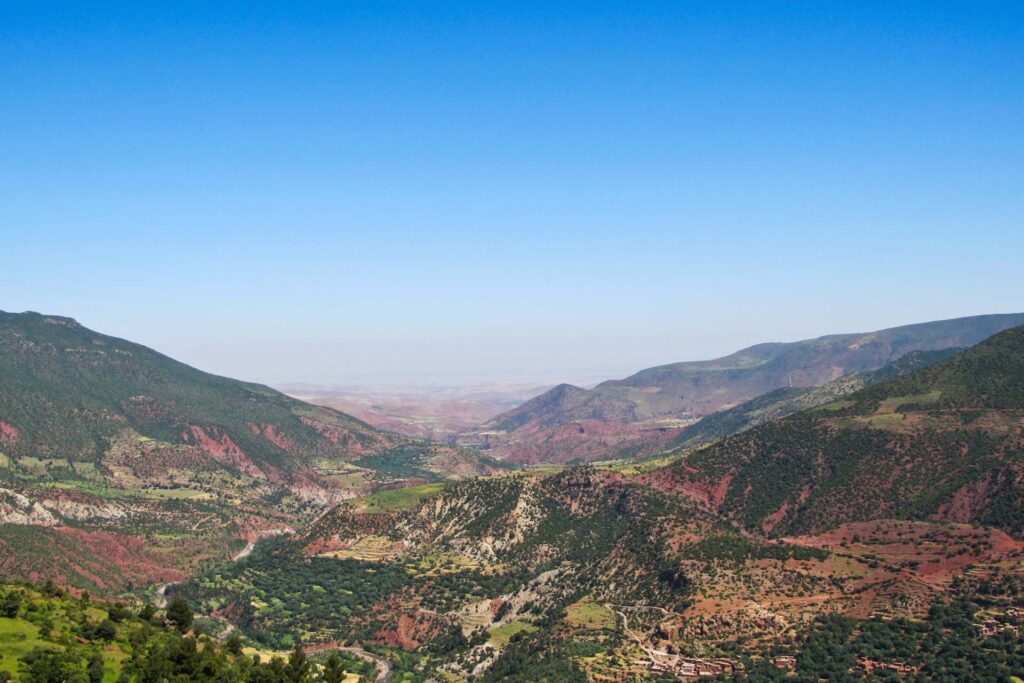
A 14-day grand tour itinerary is an excellent way to see Morocco’s highlights. Starting from Casablanca or Marrakech, you can travel through the country’s imperial cities, including Fez and Meknes, before heading to the Atlas Mountains. From there, you can head to Marrakech, with a short trip to the High Atlas mountains, which will take your breath away with their stunning sights. You can even do a homestay in a Berber home to get to know Moroccan culture better.
After exploring the mountains, head to Essaouira to spend some time at the seaside. You’ll want to make your way back to Casablanca along the scenic coastal route, enjoying the coastal views and stopping at charming towns along the way.
Adding Coastal Experiences to Your Trip
A two-week itinerary allows for adding coastal destinations like Essaouira and Agadir, giving you a chance to experience Morocco’s beach culture. Essaouira, with its historic medina, working port, and relaxed atmosphere, is a must-visit. You can enjoy beach activities, water sports, and the local cuisine, which is heavily influenced by the sea.
Other destinations like Asilah, near Tangier, or Agadir, with its resort experiences, offer a refreshing contrast to inland destinations. These coastal areas provide a unique blend of Portuguese influence, fishing culture, and water sports, enriching your experience of Morocco.
To incorporate these coastal experiences into your trip, consider modifying your itinerary to include a few days in Essaouira or Agadir. This will not only add variety to your journey but also give you a more comprehensive understanding of Moroccan culture and its diverse landscapes.
Three Weeks in Morocco: The Complete Experience
With three weeks at your disposal, you can uncover the multifaceted charm of Morocco, delving into its rich history, diverse culture, and breathtaking landscapes. This extended duration allows you to explore beyond the typical tourist trail, immersing yourself in the authentic experience that Morocco has to offer.
21-Day Ultimate Morocco Itinerary
A 21-day itinerary is the perfect way to see Morocco’s diverse destinations. You can start in Marrakech, exploring its vibrant souks and historic landmarks. From there, head to the Atlas Mountains, where you can hike through Berber villages and enjoy the serene countryside. Continuing north, visit the ancient city of Fez, with its well-preserved medieval architecture, and then make your way to the Roman ruins of Volubilis. Finally, head to Fez, where a guided tour will take you to this medieval city’s best sights and museums or, for the more independent traveler, you can wander through the winding medina by yourself. Check out the Roman ruins of Volubilis on your way to your final destination of Rabat, where you can enjoy your last evening in Morocco.
As you travel through Morocco, you’ll have the opportunity to experience the country’s diverse regions, from the bustling cities to the tranquil countryside. With a 21-day itinerary, you can take your time to explore each place, soaking up the local culture and history.
Off-the-Beaten-Path Destinations
With three weeks to explore Morocco, you can venture off the beaten path to discover the country’s hidden gems. One such destination is Tafraoute, located in the Anti-Atlas region, known for its painted rocks and almond blossoms. Moulay Idriss, Morocco’s holiest city, is another often-overlooked gem that offers a glimpse into the country’s rich spiritual heritage. The Draa Valley, with its endless palm groves and traditional kasbahs, is a serene oasis that showcases the natural beauty of Morocco. Coastal towns like Mirleft and Sidi Ifni offer authentic experiences away from the tourist crowds, providing a glimpse into local life. Visiting these off-the-beaten-path destinations provides a more complete picture of Morocco’s diverse landscapes and cultures, and often results in the most authentic and memorable experiences.
Exploring Marrakech: How Many Days You Need
Marrakech, known as the Red City, is a treasure trove of sights, sounds, and experiences waiting to be explored. As a major hub in southern Morocco, Marrakech serves as an excellent base for various adventures and excursions.
With its rich history, vibrant culture, and stunning architecture, Marrakech is a city that will captivate you from the moment you arrive. To truly experience all that Marrakech has to offer, you’ll need to plan your stay carefully.
Must-See Attractions in Marrakech
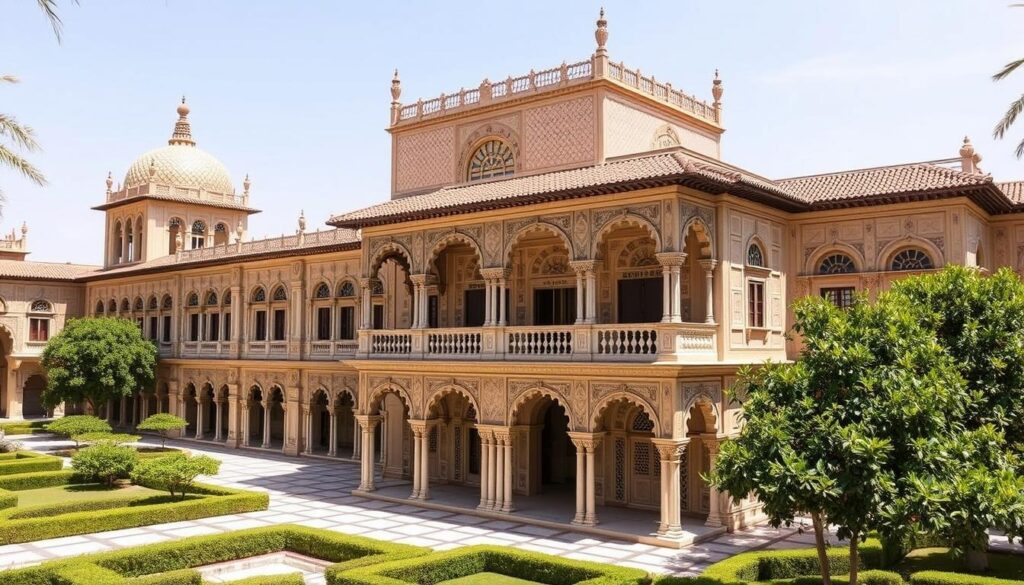
Marrakech is home to numerous must-see attractions that showcase its rich history and cultural heritage. Some of the top things to do in Marrakech include exploring the bustling souks, visiting the stunning Bahia Palace, and relaxing in the serene Majorelle Garden.
The city’s vibrant atmosphere is perhaps best experienced in Jemaa el-Fnaa, a UNESCO World Heritage site that comes alive with street performers, food stalls, and local vendors.
Day Trips from Marrakech
Marrakech is an excellent base for exploring southern Morocco, with numerous day trip options available. One of the most popular day trips is to the High Atlas Mountains, particularly the Ourika Valley, known for its picturesque Berber villages and stunning waterfalls.
Other day trip destinations from Marrakech include Essaouira, a charming coastal town about 2.5 hours away, and Ouzoud Waterfalls, Morocco’s highest waterfalls, located about 2.5 hours from Marrakech. For those looking for a desert experience without venturing too far, the Agafay Desert is a closer alternative to the Sahara.
While day trips are possible, it’s worth noting that adding these excursions will require extending your stay in Marrakech by at least one day per trip. For a more relaxed and immersive experience, consider overnight stays in these destinations.
Discovering Fez: Recommended Stay Duration
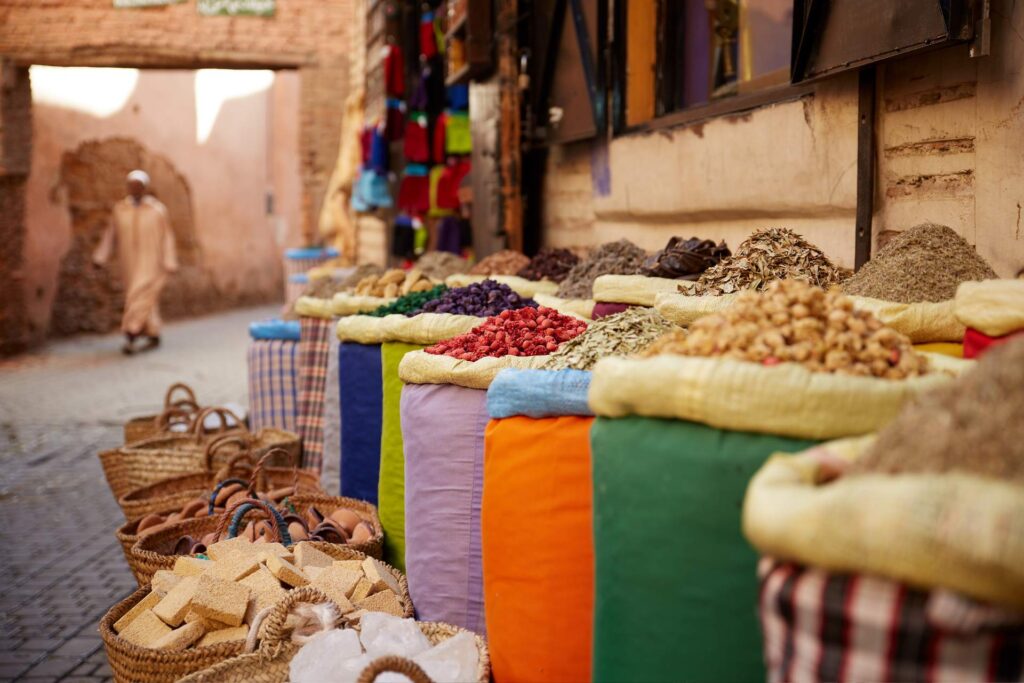
With its labyrinthine medina and vibrant culture, Fez is a destination that deserves careful planning. As you explore this ancient city, you’ll uncover a rich tapestry of history, architecture, and traditional Moroccan craftsmanship.
Navigating the Medina of Fez
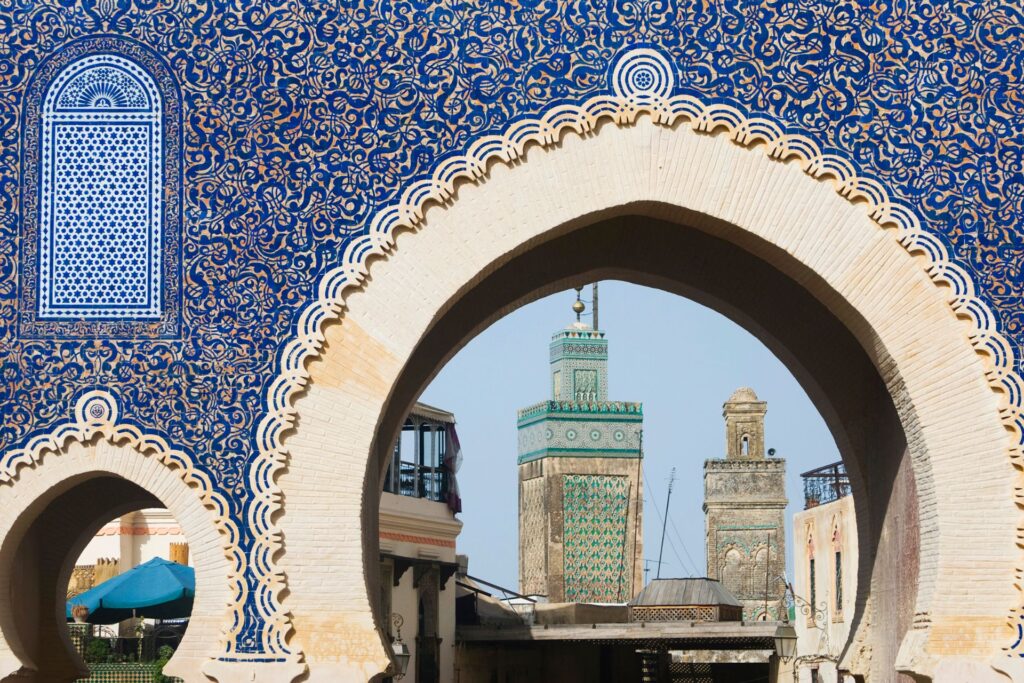
The Medina of Fez, a UNESCO World Heritage site, is one of the world’s largest urban car-free zones, echoing with history and bustling markets. As you navigate its narrow alleys, you’ll discover the rich heritage of Moroccan craftsmanship, from intricately designed tiles to handcrafted leather goods.
To truly experience the Medina, take your time exploring its many nooks and crannies. Visit the famous Al-Attarine Madrasa, with its stunning architecture and tranquil courtyards. Don’t miss the bustling souks, where you can find everything from traditional spices to handmade jewelry.
Cultural Experiences in Fez
Fez offers a wealth of cultural experiences that make it worth at least 2-3 days of exploration. Visit the famous tanneries, where leather is processed using centuries-old techniques, and explore artisan workshops for ceramics, metalwork, and textiles.
You can also immerse yourself in the city’s religious and educational heritage by visiting sites like Karaouine University, the world’s oldest university, and various madrasas. For a truly authentic experience, indulge in culinary delights, from street food to cooking classes, and relax at a traditional hammam.
Fez provides a deeper connection to traditional Moroccan culture than any other city. By allowing time for meaningful interactions with locals and artisans, you’ll gain a richer understanding of this fascinating city.
The Blue City of Chefchaouen: How Long to Stay
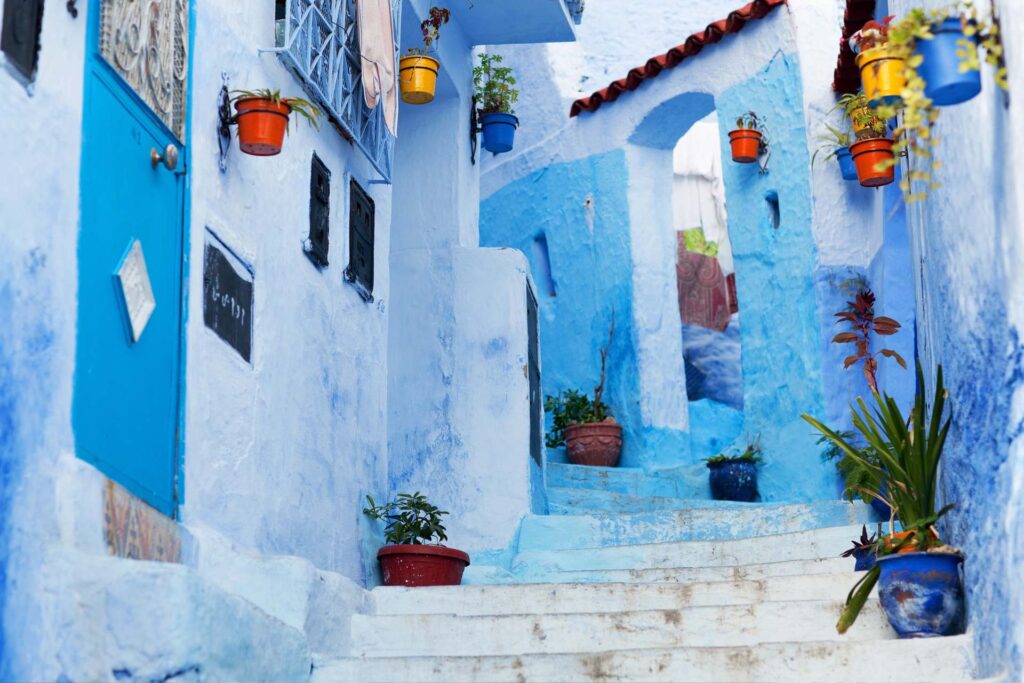
Chefchaouen, affectionately called the Blue City, is a hidden gem in northern Morocco. This charming town is nestled in the Rif Mountains and is known for its blue-painted buildings, relaxed atmosphere, and stunning natural beauty.
Exploring the Blue Medina
The Blue Medina is the heart of Chefchaouen, where you can wander through narrow streets lined with blue-washed houses. When exploring the medina, you’ll discover a variety of things to do in Chefchaouen, from visiting the Kasbah to shopping for local handicrafts.
The medina is also home to several cafes and restaurants where you can enjoy traditional Moroccan cuisine and relax in a picturesque setting.
Photography Spots and Viewpoints
Chefchaouen is a photographer’s paradise, with its blue buildings, rugged mountains, and scenic views. For the best view of the blue city, consider a sunset hike to the Bouzafer Mosque or drive up to the Spanish Mosque viewpoint, which offers a panoramic view of the town nestled in the valley.
Other elevated viewpoints include Hotel Atlas and the eastern hills, providing alternative perspectives on this beautiful city. Within the medina, certain streets and doorways are particularly photogenic, making them great spots for capturing the essence of Chefchaouen.
The best times for photography are early morning for empty streets and the golden hour for warm, soft light. For a unique perspective, consider a half-day hike in the surrounding Rif Mountains, which offers breathtaking views of Chefchaouen. When capturing local life, it’s essential to follow respectful photography practices, such as asking for permission before taking someone’s picture.
Sahara Desert Experience: How Many Days to Allocate
Allocating the right number of days for your Sahara Desert experience is crucial for a fulfilling trip. The Sahara Desert, spanning across several North African countries, including Morocco, offers a unique blend of natural beauty and cultural richness.
Desert Tours and Camel Treks
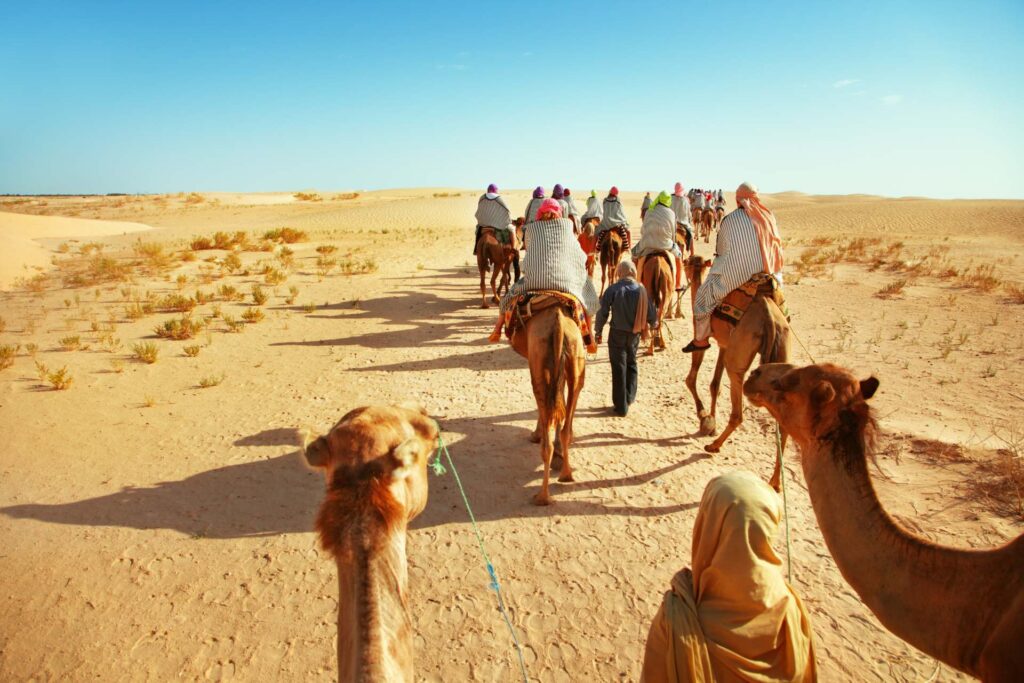
When planning your Sahara Desert adventure, choosing the right desert tour is essential. Camel treks are a popular option, allowing you to traverse the vast sand dunes much like the Tuareg nomads. These tours vary in length and can range from a day trip to multi-day excursions.
Depending on your tour, you might have the opportunity to ride a camel, explore local Berber communities, or simply enjoy the tranquility of the desert landscape.
Overnight Camping in the Dunes
One of the highlights of any Sahara Desert trip is the overnight camping experience. As the sun sets, you’ll arrive at your desert camp, where dinner is served under the stars. The camp setup can range from basic tents to luxury glamping options, offering a unique chance to connect with nature.
The evening often includes traditional music around the campfire, stargazing, and Berber storytelling, creating a memorable experience. It’s worth noting that desert nights can be surprisingly cold, even in summer, so packing warm clothing is advisable.
The early morning wake-up call, often around 4:00 AM, is worth it for the spectacular sunrise views and photography opportunities. The experience of watching the sunrise over the sand dunes is truly magical and provides a connection to the desert that day trips cannot match.
Key Highlights of Overnight Camping:
- Experience the magical sunset and sunrise over the sand dunes.
- Enjoy traditional music, stargazing, and Berber storytelling around the campfire.
- Relax in a desert camp that ranges from basic to luxury accommodations.
- Capture stunning photographs during the early morning wake-up call.
- Benefit from a deeper connection to the desert environment.
By spending a night in the Sahara Desert, you gain a deeper appreciation for its vastness and beauty. The experience is a must for any traveler looking to immerse themselves in the natural and cultural wonders of Morocco.
Coastal Morocco: Essaouira and Beyond
Morocco’s coastline is a treasure trove of experiences waiting to be discovered. As you explore the coastal towns, you’ll find a mix of relaxation, adventure, and cultural experiences that showcase the best of Morocco.
Beach Towns Worth Visiting
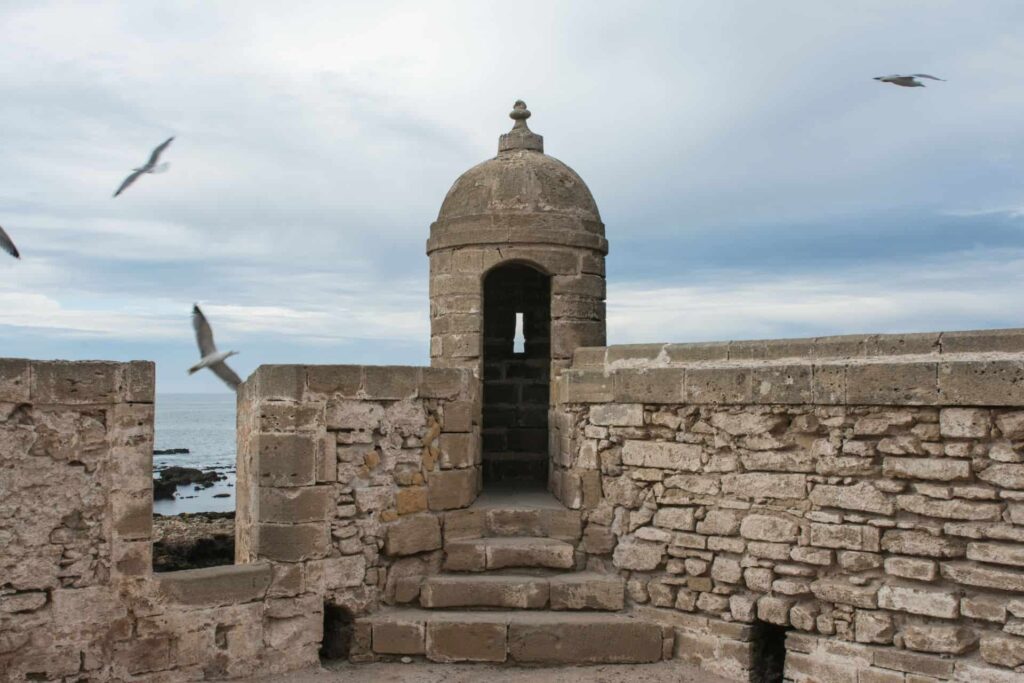
Essaouira is one of the top beach towns to visit, with its charming medina and vibrant arts scene. You can easily spend three days here, enjoying the beach, trying windsurfing, or taking a cooking class to learn how to make traditional tagines.
Other notable beach towns include Agadir, known for its golf courses and family-friendly activities, and Dakhla, a paradise for water sports enthusiasts. Each town has its unique charm and attractions, making them worth visiting.
Activities Along the Moroccan Coast
The Moroccan coast offers a wide range of activities beyond beach relaxation. You can try windsurfing or kitesurfing in Essaouira or Dakhla, or explore the coastal medinas and Portuguese fortifications. Culinary experiences are also a highlight, with fresh seafood being a staple in many coastal towns.
You can also enjoy coastal hiking, such as in Paradise Valley near Agadir, or experience wildlife watching, like bird watching in lagoons or spotting goats in argan trees. The coastal region offers a blend of relaxation and activity options, making it an ideal destination for various types of travelers.
Atlas Mountains: Hiking and Cultural Experiences
The Atlas Mountains region is not just about hiking; it’s also a cultural haven where you can experience the authentic traditions of Morocco’s Berber communities. As you explore this majestic mountain range, you’ll have the opportunity to engage with local culture and enjoy breathtaking natural beauty.
Day Hikes vs. Multi-Day Treks
When planning your visit to the Atlas Mountains, you can choose between day hikes and multi-day treks, depending on your time and fitness level. Day hikes offer a taste of the mountains, with trails leading to stunning viewpoints and traditional villages. For a more immersive experience, consider a multi-day trek that allows you to camp under the stars and enjoy the serene beauty of the mountains.
Popular Trails: The trail to the summit of Toubkal, North Africa’s highest peak, is a challenging but rewarding multi-day trek. For a more leisurely day hike, consider the trails around Imlil, which offer breathtaking views of the surrounding mountains.
Berber Villages and Homestays
Beyond hiking, the Atlas Mountains offer a rich cultural experience through visits to traditional Berber villages. You can even do a homestay in a Berber home to get to know Moroccan culture better. These villages maintain centuries-old ways of life, providing a unique insight into Morocco’s indigenous heritage.
Experience the Local Culture: Engage with local families, learn traditional cooking, and participate in daily activities. Villages like Imlil and Armed are not only picturesque but also offer a glimpse into the traditional Berber way of life, with their earthen buildings and terraced fields.
Traveling During Ramadan: How It Affects Your Trip Duration
Traveling to Morocco during Ramadan can be rewarding, but it’s essential to understand how it affects your trip. As you plan your travel to Morocco, being aware of the changes in daily life and activities during Ramadan will help you make the most of your experience.
What to Expect During Ramadan
During Ramadan, Morocco takes on a different rhythm. Most establishments are closed during the day, which can impact your plans and require adjustments to your itinerary. You should expect reduced operating hours for businesses, including restaurants and shops, which typically close before sunset. However, the atmosphere transforms in the evenings, with families and friends gathering for iftar, the meal that breaks the fast.
Your time in Morocco during Ramadan can be quite different from other times of the year. While it might be challenging to explore during the day, you have the opportunity to experience the local culture in a unique way. Many Moroccans welcome travelers into their homes for iftar, offering a glimpse into their traditions and hospitality.
Tips for Visiting Morocco During Ramadan
To make the most of your travel during Ramadan, consider a few tips. First, plan your major sightseeing activities for the morning when your energy levels are higher. Be respectful of local customs by avoiding eating and drinking in public during daylight hours. Instead, look forward to enjoying iftar at restaurants or through local invitations, which can be a highlight of your trip.
It’s also advisable to book your transportation and accommodations in advance, as Ramadan is a significant period for Moroccans, and many people travel. By being flexible and prepared, you can have a meaningful and enriching experience in Morocco during Ramadan.
Budget Considerations: How Trip Length Affects Costs
When planning a trip to Morocco, it’s essential to consider how the length of your stay will influence your costs. The duration of your trip can significantly impact your overall expenses, from accommodation and food to transportation and activities.
Average Daily Costs in Morocco
An estimated budget for a 5-day trip to Morocco is around $1,500 USD if you’re going on an all-inclusive tour. However, if you plan your trip independently, you can potentially spend less. On average, daily costs in Morocco can range from $100 to $200 per person, depending on your travel style and accommodation choices.
Breaking down your daily expenses, you can expect to spend around $30-$50 per day on food, $20-$30 on accommodation in a budget riad or hostel, and $10-$20 on transportation. Activities and entrance fees can add another $20-$50 per day, depending on what you choose to do.
Money-Saving Tips for Longer Stays
For longer stays in Morocco, there are several ways to save money. Firstly, consider negotiating weekly or monthly rates for your accommodations, especially during the off-season. This can lead to significant savings compared to paying daily rates.
Another tip is to adopt a slow travel approach, spending more time in fewer places. This reduces the need for frequent transportation, which can be costly. You can also save by self-catering occasionally, particularly for breakfast and lunch. Learning basic bargaining skills can also help reduce costs on shopping and some services.
Traveling during the shoulder season can offer the best balance of good weather and lower prices. For transportation, consider using grand taxis for intercity travel and local buses for shorter trips, as these options are often more affordable than private transfers or tourist-oriented services.
By adopting these budget-friendly tips and being mindful of your stay duration, you can enjoy a more relaxed and affordable trip to Morocco.
Conclusion: Creating Your Perfect Morocco Itinerary
Creating your perfect Morocco itinerary depends on various factors, including your interests, travel pace, and the experiences you seek. When planning your trip to Morocco, it’s essential to consider what you want to achieve during your visit. Whether you’re looking to explore the bustling streets of Marrakech, relax on the coastal beaches, or trek through the Atlas Mountains, your itinerary should reflect your priorities.
There’s no one-size-fits-all answer to how many days you should spend in Morocco. The ideal duration varies significantly based on individual preferences and travel styles. Even a short trip can be meaningful if well-planned and focused on your key interests. Conversely, having more time allows for a deeper cultural understanding and the opportunity to discover off-the-beaten-path destinations.
To create an effective itinerary, start by identifying the must-see destinations that align with your interests. Morocco’s rich cultural heritage, stunning landscapes, and vibrant cities offer a wealth of choices. Be realistic about your travel pace, and consider building in rest days and buffer time to avoid feeling rushed. Many travelers find that they return to Morocco multiple times, so it’s perfectly fine to prioritize your experiences and not try to see everything on your first visit.
By using this guide, you can craft a personalized itinerary that matches your travel style, interests, and available time. Whether you have a few days or a few weeks, Morocco promises an unforgettable experience. With careful planning, you can ensure that your trip is both memorable and tailored to your unique preferences.