
Morocco’s medinas are made for walking, but the country’s dazzling diversity is best experienced by traversing its grand expanse using various transportation options. From fabled cities and mountain villages to Mediterranean beaches and desert outposts, Morocco offers a range of ways to travel and explore its beauty. For travelers wondering how to get around Morocco, understanding the pros and cons of each transportation method, from public options like trains and buses to private alternatives like rental cars, is crucial for planning a successful trip.
Understanding Morocco’s Transportation Landscape
The transportation network in Morocco is influenced by its varied landscapes, from coastal plains to the Atlas Mountains. Morocco’s diverse geography plays a crucial role in shaping its transportation infrastructure, with different regions presenting unique challenges and opportunities.
Geography and Major Routes
Morocco’s geography ranges from coastal cities to the Atlas Mountains and Sahara Desert, creating distinct transportation challenges across different regions. The northern and coastal areas have the most developed transportation infrastructure, with major routes connecting principal cities like Casablanca, Marrakech, Fes, Rabat, and Tangier. Understanding these main transportation corridors is essential for planning efficient travel between Morocco’s diverse regions and attractions.
Transportation Culture and Etiquette
Transportation culture in Morocco differs significantly from Western countries, with different expectations regarding punctuality, personal space, and service standards. When using public transportation, locals expect respect for gender norms and are prepared for limited personal space. Additionally, understanding the bargaining culture for services like taxis is crucial. Travelers venturing off the beaten path should be aware that rural areas and remote destinations often have more limited transportation options, requiring additional planning.
Best Times to Visit and Weather Considerations
To make the most of your trip to Morocco, it’s essential to consider the country’s seasonal climate variations. Best times to visit Morocco depend on understanding its diverse climates, which range from Mediterranean to desert regions. Being aware of these variations is key to planning a comfortable and enjoyable journey.
Seasonal Climate Variations
The country’s northern cities, such as Casablanca and Tangier, experience a Mediterranean climate, characterized by mild winters and warm summers. In contrast, cities like Marrakech and Fes in central and southern Morocco can become extremely hot during the summer, with temperatures often reaching the 90s°F.
Weather conditions can vary dramatically across different regions. Coastal areas tend to have milder temperatures compared to inland cities. The spring (March to May) and fall (September to November) are generally considered the best times to visit, offering pleasant weather conditions throughout the country. Most rainfall occurs between November and March, which can impact travel plans, especially in rural areas.
Planning Around Religious Holidays
It’s crucial to plan your trip around religious holidays, particularly Ramadan, which can significantly impact travel services and daily routines. During Ramadan, many restaurants and cafes are closed during daylight hours, and transportation schedules may be modified. Checking the Islamic calendar in advance is advisable to ensure a smooth journey. Other religious holidays can also affect transportation availability and schedules, so it’s wise to plan your day accordingly. By considering these factors, you can better plan your travel in Morocco, ensuring a more enjoyable and stress-free experience as you explore this beautiful country.

Navigating Moroccan Cities by Taxi
Morocco’s cities are best explored using their iconic taxi services, which come in two distinct forms: petit taxis for intra-city travel and grand taxis for intercity journeys. This dual system provides visitors with flexible options for getting around.
Petit Taxis: The City Hoppers
Petit taxis are the preferred mode of transportation within city limits. These smaller vehicles, often Dacia Logans or Peugeot 207s, are color-coded by city – yellow in Marrakesh, red in Casablanca, and blue in Rabat – making them easily identifiable. They can carry up to three passengers and operate on meters, ensuring transparent pricing. When using petit taxis, it’s essential to insist on the meter being used to avoid overcharging. Additionally, be aware that they can legally pick up multiple passengers heading in the same direction, making them a convenient and affordable option for solo travelers and groups alike.
Grand Taxis: For Longer Journeys
Grand taxis, on the other hand, are larger vehicles, typically white Mercedes, that carry six passengers and are used for traveling between cities. They usually don’t leave until full, which can result in unpredictable waiting times at taxi stations, often located near train stations or city centers. While this shared transportation model can be less convenient for some, it offers an authentic experience of local culture. For a more comfortable journey, you can pay for extra seats. It’s worth noting that while ride-hailing apps like Uber aren’t available in Morocco, alternatives such as Careem operate in major cities like Casablanca, Rabat, and Tangier, offering a more predictable pricing experience.
How to Get Around Morocco by Train
Train travel in Morocco is a popular choice among tourists and locals alike. Morocco’s national rail service, ONCF, offers one of the most comfortable and reliable ways to travel between major cities.
The ONCF Network and Routes
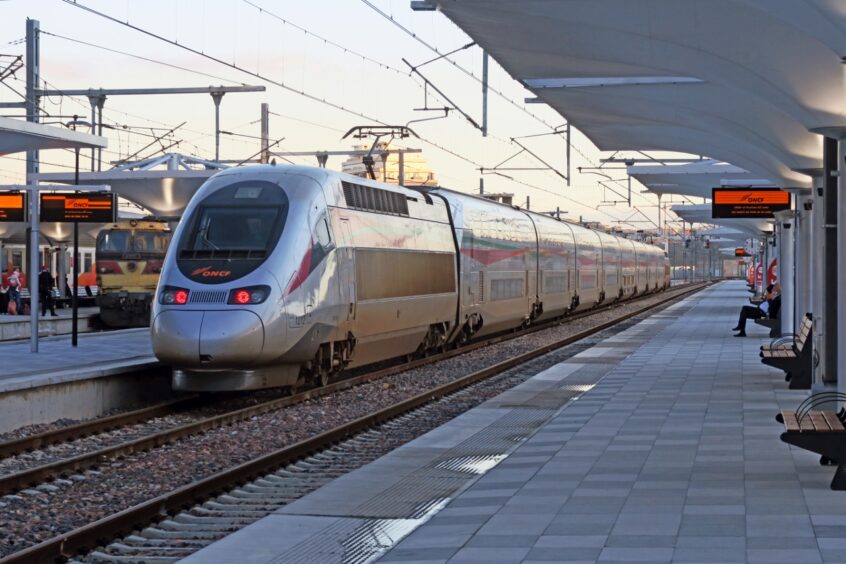
Morocco’s rail network is quite extensive, connecting major northern cities at relatively affordable rates. The two main lines link most major cities: from Tangier to Marrakesh (passing through Casablanca and Rabat) and from Nador or Oujda in the northeast to Fez and Meknes. The Al Boraq, Africa’s first high-speed train, has revolutionized travel between Tangier and Casablanca, reducing the journey time to just over two hours.
Ticket Purchasing and Classes
Tickets can be purchased at station ticket offices, through the ONCF website, or via third-party services that forward tickets electronically. First-class tickets offer significantly more comfort with assigned seating, air conditioning, and less crowding, making the additional cost worthwhile for longer journeys. Train stations in major cities are typically well-located and connected to other transportation options like petit taxis, making transfers relatively straightforward.
Bus Travel in Morocco
Traveling by bus is a wallet-friendly option for exploring Morocco’s diverse landscapes. The country boasts an extensive bus network that connects major cities, towns, and rural areas, making it an ideal mode of transportation for both locals and tourists.
Reliable National Bus Services
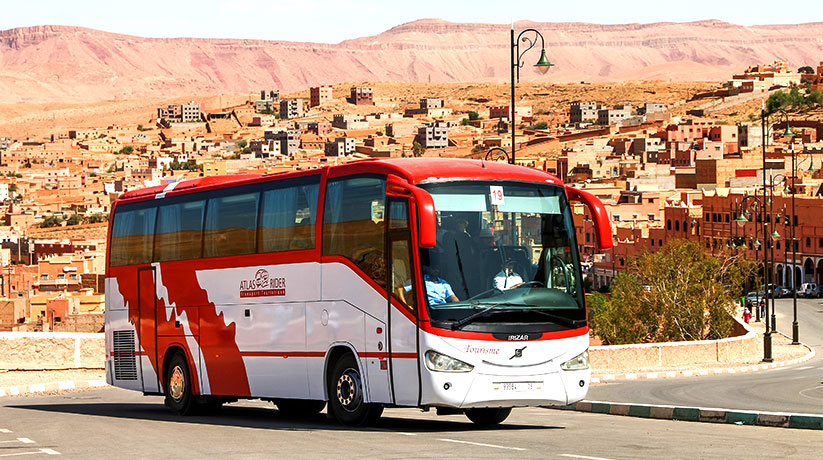
Morocco is served by two major national bus companies: CTM and Supratours. CTM covers most of Morocco with designated stops, although not always at the central bus station. Supratours, owned by the national railway ONCF, offers coordinated bus services that connect with train arrivals, providing through-ticketing for seamless journeys.
These premium bus services offer comfortable rides with amenities such as air conditioning, assigned seating, and sometimes WiFi on their “luxe” options. They are reliable and efficient, making them a popular choice among travelers.
Local Bus Options for Rural Areas
For rural areas, smaller “market buses” are available. While they are cheaper, these local bus companies often have irregular schedules and overcrowded vehicles, which can make the journey less comfortable.
When using local buses, it’s essential to be prepared for variable conditions. Bus stations in major cities can be chaotic, with multiple companies operating from different locations and limited English signage. Purchasing tickets in advance is highly recommended, especially during peak travel seasons or holidays.
To ensure a smooth journey, consider buying tickets at the station or using hotel concierge services. While company websites may accept international payments, it’s not always reliable, so planning ahead is crucial.
Renting a Car in Morocco
Renting a car in Morocco offers the freedom to explore the country at your own pace. Whether you’re looking to navigate the bustling streets of Marrakech or venture into the serene landscapes of the Atlas Mountains, having a rental car can be incredibly convenient.
Requirements and Considerations
To rent a car in Morocco, you’ll need to meet certain requirements. Most rental agencies require a valid driver’s license, and an international driver’s license is recommended, although not always necessary. Insurance is also a critical consideration; comprehensive coverage is advisable due to the potential for minor accidents on rural roads.
Various rental options are available, from compact cars like the Fiat to 4WD vehicles suitable for desert roads and mountainous terrain. Expect to pay between Dh270 to Dh7500 per day, depending on the vehicle type and rental agency. Major agencies like Budget, Hertz, and Avis operate at Casablanca’s Mohammed V Airport and in major cities.
Driving Conditions and Safety Tips
Driving in Morocco can be challenging, especially in urban areas where traffic is chaotic and parking is limited. In cities, drivers must be prepared for bumper-to-bumper traffic and a general disregard for road regulations. When driving in the Atlas Mountains, be cautious of hairpin bends and avoid driving after dark.
While major roads are generally in good condition, rural driving requires caution due to potential hazards like animals and pedestrians on the road. Navigation can also be tricky due to inconsistent road signage, sometimes only in Arabic. Using GPS or offline maps is highly recommended for self-driving travelers.
Hiring Private Drivers and Tours
To experience Morocco at your own pace, hiring a private driver is a convenient and enjoyable option. This choice offers a comfortable middle ground between using public transportation and self-driving, combining the benefits of local expertise with the flexibility to create your own itinerary.
Benefits of Private Transportation
Hiring a private driver provides numerous benefits, including the elimination of navigation stress and the opportunity to gain cultural insights from knowledgeable drivers. Professional drivers not only transport you safely but often serve as informal guides, offering recommendations that can enhance your understanding and appreciation of Morocco.
Private transportation is particularly valuable for families, travelers with limited mobility, or those with tight itineraries. It provides reliable, direct connections between destinations, making it an ideal choice for many visitors.
Finding Reputable Services
Reputable private driver services can be arranged through your hotel, trusted travel agencies, or online platforms with verified reviews. When hiring a private driver, it’s essential to verify that the company has proper licensing, insurance that specifically covers tourist passengers, and well-maintained vehicles that meet safety standards.
Multi-day tours with private drivers can be customized to include specific destinations, allowing for spontaneous stops at scenic viewpoints or interesting villages that organized tours might skip. This flexibility makes private drivers an attractive option for travelers seeking a personalized experience.
Alternative Transportation Methods
For those looking beyond conventional travel, Morocco provides a range of alternative transportation options that cater to different needs and preferences. Whether you’re short on time, looking for a unique experience, or seeking to explore beyond the beaten path, these alternatives can enhance your journey.
Domestic Flights
For travelers who are cash-rich and time-poor, domestic flights can significantly reduce travel time between distant cities. Royal Air Maroc, Morocco’s flag carrier, and Air Arabia Maroc offer domestic routes that can turn long, arduous journeys into short flights. For instance, flying from Marrakesh to Errachidia takes about an hour, compared to eight hours by road. This way of traveling is particularly valuable for those with limited time who wish to explore both northern cities and southern destinations like the Sahara without spending days on the road.
Ferries and Boats
Another alternative is taking a ferry from Spain to Morocco, which provides a different entry point into the country. The duration of these trips can vary greatly, from 1.5 to 36 hours depending on the route. Fast services from Tarifa to Tangier take just 1-2 hours, while longer overnight journeys are available from Barcelona. Additionally, boat trips and ferries offer a way to explore coastal places and access fishing villages that showcase various aspects of Moroccan life.
Desert Transportation: Camels and 4x4s
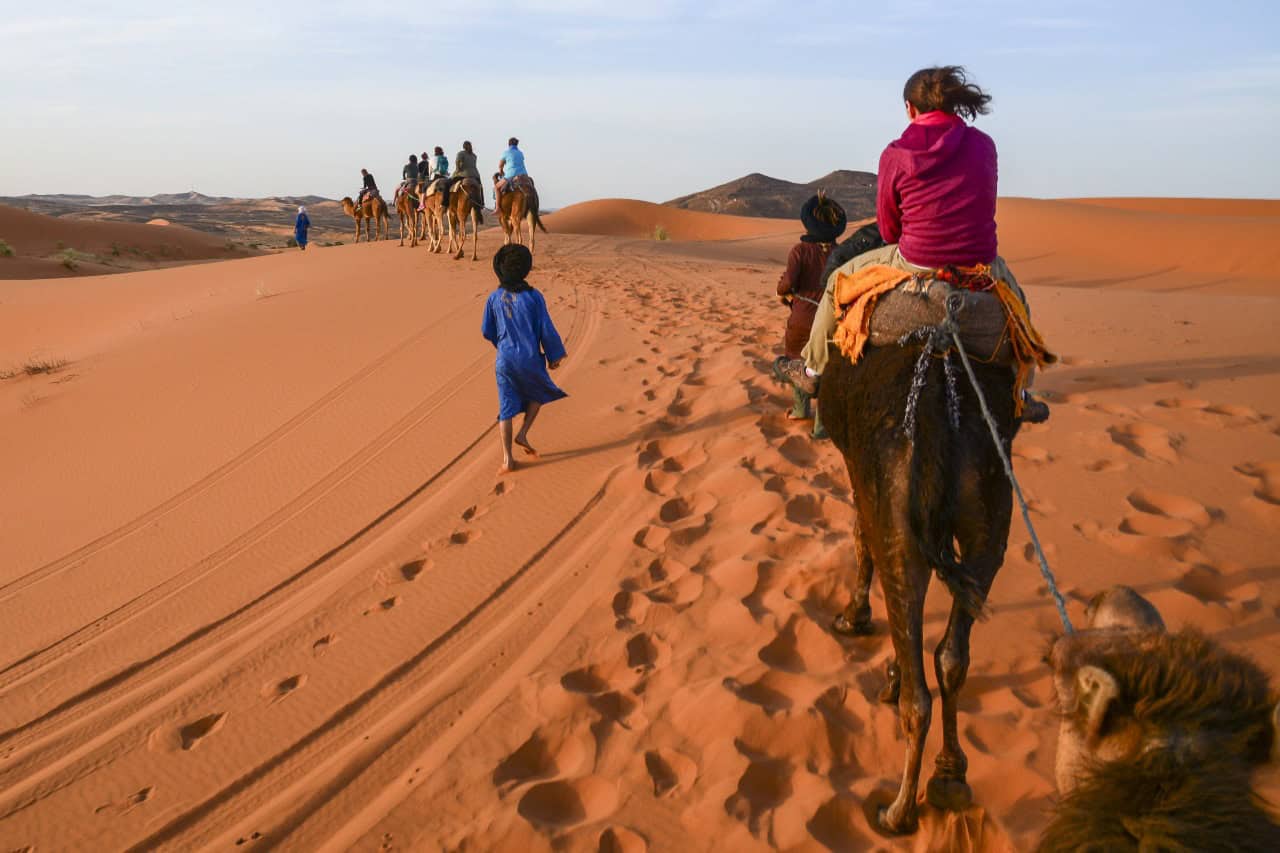
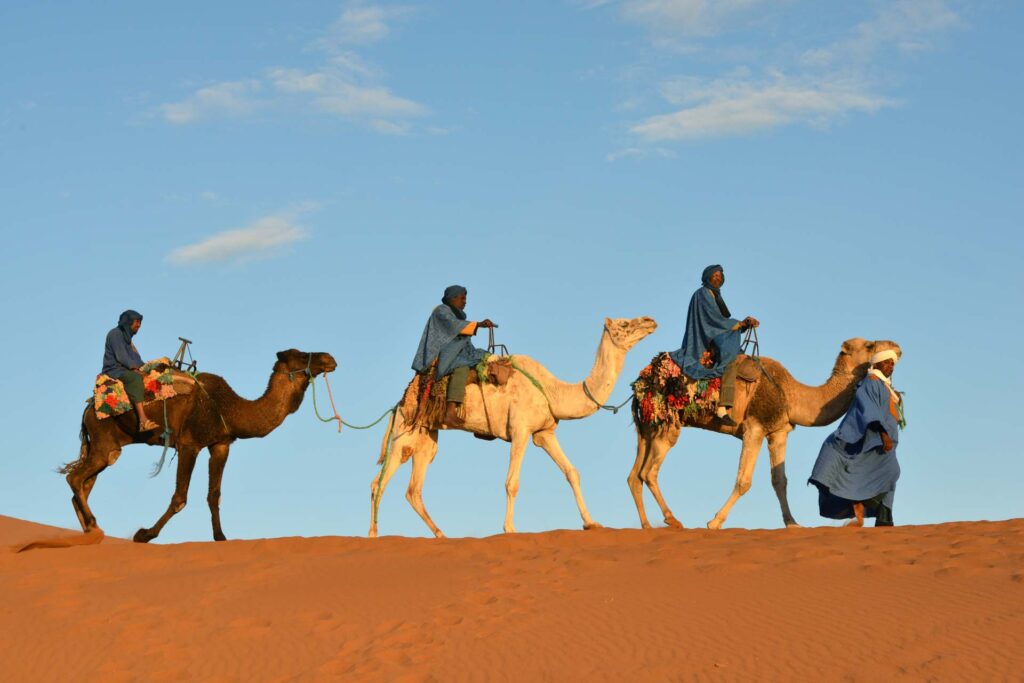
In the desert regions, specialized transportation becomes necessary. 4×4 vehicles provide access to remote areas and camps that regular cars cannot safely reach. Camel treks remain a practical and culturally enriching experience, connecting travelers to traditional Berber methods of desert transportation. These unique modes of transport allow explorers to navigate certain desert terrains and experience the vastness of the Sahara Desert.
By considering these alternative transportation methods, travelers can choose the best options for their needs, ensuring a memorable and efficient journey through Morocco’s diverse landscapes and cityscapes.
Transportation Tips for a Smooth Moroccan Adventure
A smooth Moroccan adventure begins with understanding the country’s transportation landscape. To get around Morocco effectively, it’s crucial to consider various travel options and plan according to your itinerary.
When traveling between major cities, trains and premium bus services like CTM and Supratours are recommended for comfort and reliability. For more flexibility, especially in rural areas and the Atlas Mountains, consider hiring a private driver or renting a car. Always book in advance during peak seasons and religious holidays to avoid delays.
Some additional tips for a hassle-free journey include learning basic Arabic or French transportation terms, carrying small denominations of Moroccan dirhams, and researching your hotel‘s location relative to train and bus stations. For desert excursions or remote areas, choose reputable companies with proper vehicle maintenance and experienced drivers.
By mixing and matching these transportation methods and being mindful of local customs and conditions, you can ensure a smooth trip and enjoy the diverse landscapes and cultures Morocco has to offer.