
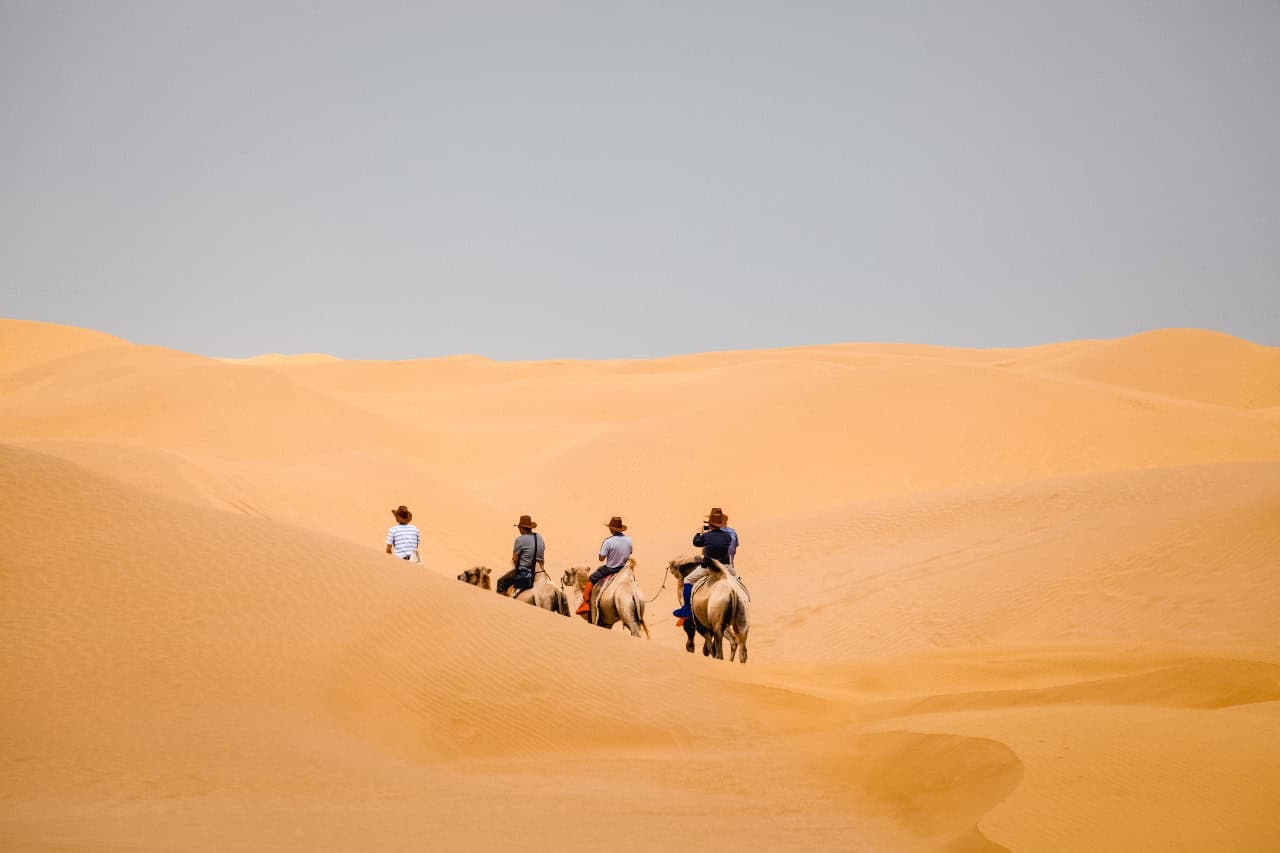
Morocco has long been a magnet for travelers drawn to its rich cultural heritage and breathtaking landscapes. But a pressing question remains: Is it safe to visit Morocco? Global Guardian analysts have assessed Morocco as a generally safe destination, thanks in part to its robust security services and a government that prioritizes tourist safety. While petty theft is a common concern, more serious issues like terrorism and kidnapping, though less frequent, are also on the radar. This comprehensive guide will explore the current safety conditions in Morocco, providing travelers with practical advice and insights to make informed decisions about their trip.
Current Safety Situation in Morocco
Morocco’s safety landscape is a complex mix of positive trends and potential risks that travelers should be aware of. The U.S. State Department plays a crucial role in advising travelers on the safety conditions of foreign countries, including Morocco.
Government Travel Advisories
As of 2025, the U.S. State Department rates Morocco with a “Level 2” safety advisory, advising travelers to exercise increased caution due to terrorism. This advisory indicates that terrorist groups continue to plot possible attacks in Morocco, targeting tourist locations, transportation hubs, and government facilities.
General Safety Rating
Morocco’s overall safety rating is a subject of interest for potential travelers. According to the Global Peace Index, Morocco is ranked 79th out of 163 countries, praised for its low levels of political terror. On the other hand, it is ranked 24th on the Global Finance list of the world’s safest countries, ahead of several European nations.
Recent Security Developments
The Moroccan government has taken significant steps to enhance security, particularly in tourist areas. There is a visible police presence in major cities and tourist destinations, ensuring visitor safety. Recent developments include enhanced border controls, improved screening techniques, and cooperation with international security agencies.
The security measures implemented by Morocco’s government, coupled with its strong diplomatic ties with Western countries, contribute to a robust security infrastructure. While the terrorism advisory exists, the actual risk to individual travelers remains statistically low, with petty crime being a more common concern.
Is It Safe to Visit Morocco? The Overall Picture
Morocco has been working hard to ensure that tourists feel safe while exploring its vibrant cities and historical sites. This effort is reflected in the country’s overall safety record, which is a crucial factor for travelers when choosing a destination.
Terrorism Risk Assessment
The threat of terrorism is a concern for many potential visitors. While the risk exists, it remains relatively low, with no major incidents since 2011. The Moroccan government maintains vigilance against potential threats from small, independent terrorist cells inspired by or affiliated with extremist groups.
Crime Rates Compared to Other Countries
Crime rates in Morocco are relatively low compared to other countries in the region and many Western nations. Violent crime against tourists is particularly rare, making Morocco a safe destination for international travelers. However, petty theft and scams targeting tourists are the most common security issues.
Government Efforts to Ensure Tourist Safety
The Moroccan government prioritizes safety and security, recognizing the significant contribution of tourism to the national economy. Substantial investments have been made in security measures in tourist areas, ensuring a safe environment for visitors.
Overall, Morocco is considered a safe destination when compared to global standards. By exercising normal precautions and remaining aware of their surroundings, travelers can have a safe and enjoyable experience in this beautiful country.
Safety in Major Moroccan Cities
Morocco has made significant strides in ensuring safety across its major cities, making it a viable destination for tourists and travelers alike. The country’s primary urban areas have implemented various security measures to protect visitors and locals.
Marrakech Safety Overview
Marrakech, Morocco’s No. 1 tourist destination, is considered safe for travelers. The city maintains a strong security presence, with both uniformed and plainclothes police officers patrolling the medina and tourist areas. While petty crime can occur, the overall atmosphere remains secure for visitors.
Casablanca Safety Concerns
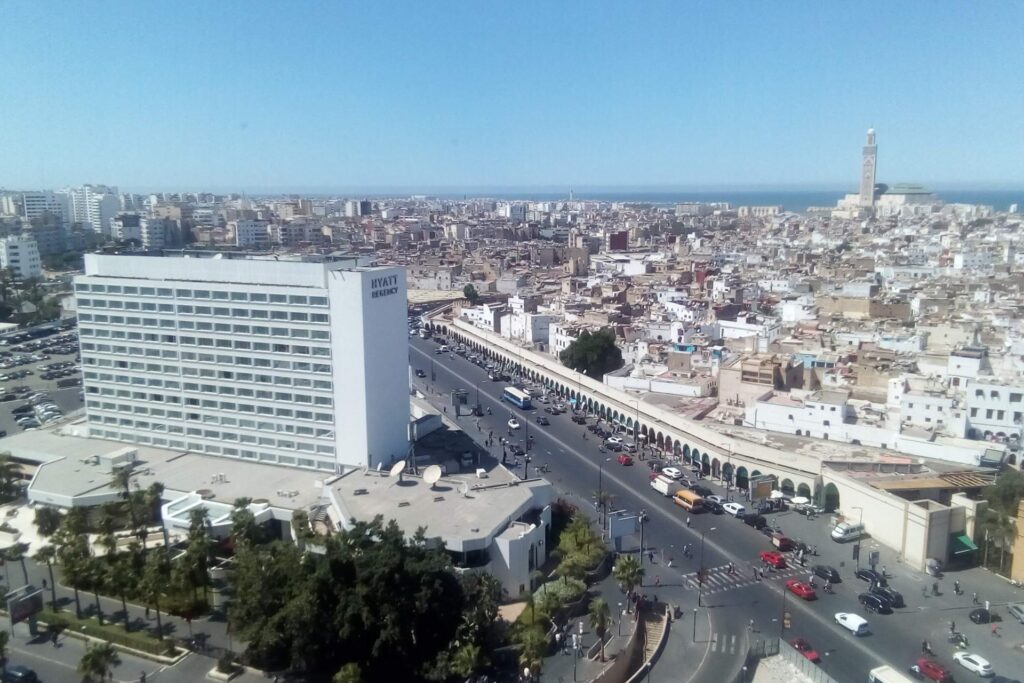
Casablanca, as Morocco’s largest city and economic hub, presents typical big-city safety challenges. Travelers should be aware of a slightly higher risk of street harassment, particularly for women. However, violent crime remains uncommon, and the city is generally safe for travelers.
Fez and Tangier Safety Assessment
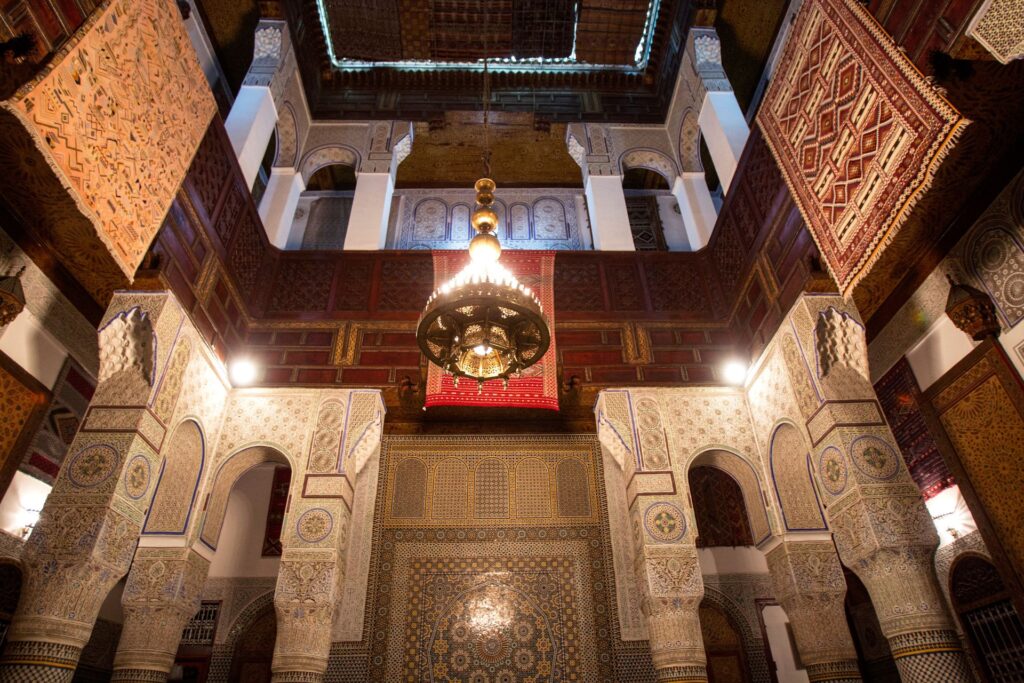
Fez offers a generally safe environment for tourists exploring its historic medina, though visitors should be cautious of unofficial “guides” offering assistance. Tangier, having undergone significant revitalization, has improved its safety profile. Nonetheless, travelers should be vigilant against pickpocketing, which occurs at a higher rate than in other Moroccan cities.
Rabat and Other Urban Areas
Rabat, the capital city, enjoys a reputation as one of Morocco’s safest urban areas. It has lower crime rates and fewer tourist-targeted scams compared to other major cities. Across all major Moroccan cities, the most common safety concerns involve petty theft, aggressive vendors, and occasional harassment rather than violent crime.
In conclusion, Morocco’s major cities are considered safe for travelers who exercise standard precautions and remain aware of their surroundings. By understanding the unique safety considerations of each city, visitors can have a safe and enjoyable experience in this beautiful country.
Safety Considerations for Women Travelers
As a conservative Islamic society, Morocco has specific cultural norms that women travelers should be aware of to navigate the country safely. Understanding these nuances is key to a positive experience in this vibrant country.
Cultural Context and Expectations
Women travelers to Morocco should understand the cultural context of a conservative Islamic society where gender roles differ significantly from Western norms. This understanding affects how local men may interact with foreign women, making it essential to be aware of these differences to avoid unwanted attention.
Dress Code Recommendations
Dressing modestly is strongly recommended for travelers, particularly women. Clothing that covers shoulders, chest, and knees helps reduce unwanted attention and shows respect for local customs, contributing to a safer safety environment.
Harassment Prevention Strategies
Street harassment, such as catcalling and persistent attention, is unfortunately common for women in Morocco, particularly in urban areas. Strategies like avoiding eye contact, wearing sunglasses, and using a wedding ring can help deter unwanted advances, enhancing the overall culture of respect.
Solo Female Travel Tips
Solo female travelers can still have a rewarding experience in Morocco by implementing specific safety strategies. These include avoiding walking alone at night, projecting confidence, and being firm with unwanted attention, ultimately ensuring a positive safe travel Morocco experience.
Transportation Safety in Morocco
Understanding transportation safety is crucial for a smooth journey in Morocco. The country offers a variety of transportation options, including taxis, rideshare services, public transportation, trains, and rental cars.
Taxis and Rideshare Services
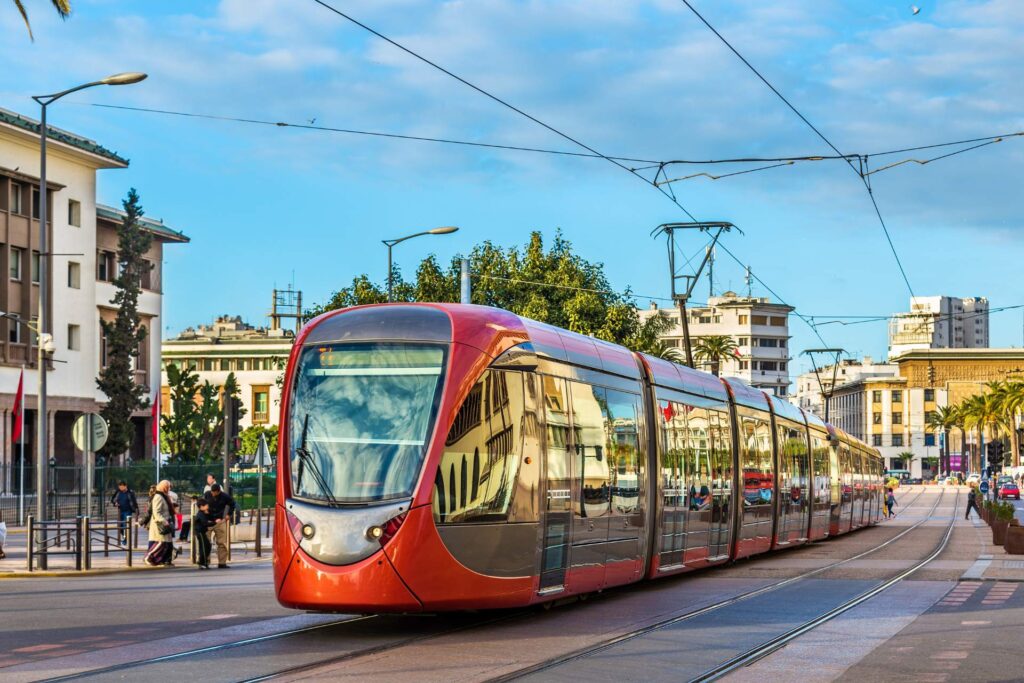
Taxis, particularly “petit” taxis, are a convenient and generally safe way to navigate within Moroccan cities. Each city has its own colored taxis (red in Casablanca, blue in Rabat, tan in Marrakech). The Heetch rideshare service is also a reliable option, offering tracked rides that enhance security. However, it’s advisable to avoid traveling alone at night.
Tip: Always use official taxis or pre-arranged transportation services for night travel.
Public Transportation Options
Public transportation in Morocco includes buses operated by companies like CTM and Supratours. While intercity buses are generally safe and comfortable, city buses can be less safe and more chaotic.
Be cautious with your belongings when using public transportation, as pickpocketing can occur.
Train Travel Safety
Morocco’s train system is safe and comfortable, with the Al-Boraq high-speed train connecting Casablanca and Tangier being a notable example. Passengers should remain vigilant about their belongings.
Driving Considerations
Driving in Morocco can be challenging due to aggressive local driving styles and poorly marked roads. Rental cars are not recommended for most tourists. If you choose to drive, be aware of the local traffic norms and defensive driving practices.
Driving in Morocco’s larger cities is best reserved for locals and experts.
Common Scams and Petty Crime
As a tourist in Morocco, understanding the common scams and petty crimes can help ensure a safe and enjoyable trip. While Morocco has a relatively low crime rate, visitors should still be cautious and aware of their surroundings, especially in crowded areas and major cities.
Tourist-Targeted Scams
Tourists in Morocco are often targeted by unofficial “guides” who offer assistance, only to lead them to commission-based shops or demand payment for unwanted services. These scams can be avoided by being cautious when approached by overly friendly locals and refusing their services politely.
Pickpocketing Hotspots
Pickpocketing is a common issue in crowded areas such as medinas, souks, and public transportation hubs. Tangier has a particularly high rate of pickpocketing compared to other Moroccan cities. Tourists should keep their valuables secure and out of sight to avoid being targeted.
Aggressive Vendors and “Guides”
Aggressive vendors and persistent touts can create uncomfortable situations for tourists, especially in major marketplaces. They often use high-pressure tactics to sell goods at inflated prices. A firm but polite “La, shukran” (No, thank you) while continuing to walk is usually the most effective response.
Prevention Strategies
To avoid falling victim to scams and petty crimes, tourists should keep their valuables secure, use money belts under clothing, and avoid displaying wealth. Legitimate guides in Morocco carry official identification cards issued by the government, and tourists should request to see these credentials before accepting guiding services.
Cultural Awareness for Safe Travel
To navigate Morocco safely, travelers must be mindful of the local culture and customs. Morocco is a country with a rich cultural heritage, deeply influenced by Islamic traditions. Understanding and respecting these customs is essential for a trouble-free experience.
Religious Customs and Respect
Morocco is an Islamic country, and visitors should be aware of religious practices, especially during Ramadan. Being respectful near mosques and understanding prayer times can significantly enhance one’s experience. It’s also important to note that religious proselytizing is illegal in Morocco.
Appropriate Dress and Behavior
Dressing modestly is advised for both men and women, particularly when visiting religious sites. Covering shoulders and knees is recommended to show respect for local customs. Additionally, being mindful of body language, such as avoiding the use of the left hand for eating or giving items, is considered polite.
Photography Etiquette
When taking photos, it’s courteous to ask permission, especially of women and children. Some individuals may request a small payment in exchange for being photographed.
Language Considerations
Morocco’s multilingual environment can sometimes lead to misunderstandings. Learning basic Arabic or French phrases can help navigate potential issues and show respect for the local culture.
By being culturally aware and respectful, travelers can have a safe and enriching experience in Morocco. This awareness not only enhances personal safety but also fosters a more positive interaction with the local people.
Health and Medical Safety
Understanding the health and medical landscape in Morocco is crucial for a safe trip. Travelers should be aware of several health considerations to ensure their well-being during their visit.
Vaccinations and Precautions
Before traveling to Morocco, it’s essential to consult the CDC guidelines for recommended vaccinations, which typically include Hepatitis A and Typhoid. Travelers should also consult their healthcare provider for personalized advice based on their health history.
Food and Water Precautions
To avoid stomach issues, a common health problem for visitors, it’s advisable to drink only bottled water, avoid ice in drinks, and be cautious with street food, especially in warmer months. Ensuring that meat is thoroughly cooked is also crucial.

Medical Facilities and Insurance
Morocco’s medical infrastructure varies, with excellent private clinics in major cities like Casablanca, Rabat, and Marrakech, but limited resources in rural areas. Comprehensive travel insurance with medical coverage, including emergency evacuation, is highly recommended.
Travelers should also be prepared by carrying essential medications, such as loperamide for travelers’ diarrhea, and practicing good hand hygiene with hand sanitizer, as soap may not be available in all public restrooms.
Conclusion: Enjoying Morocco Safely
As travelers increasingly seek out new destinations, Morocco stands out as a safe and welcoming country. With its rich history, stunning landscapes, and vibrant culture, Morocco offers a unique travel experience. While it’s essential to exercise reasonable caution, the country is generally considered safe for international travelers who respect local customs. By researching destinations, staying in reputable accommodations, and using trusted transportation, travelers can maximize their safety.
Women travelers can also enjoy Morocco safely by understanding cultural expectations and dressing modestly. With proper preparation, including comprehensive travel insurance and registering with your country’s embassy, Morocco can be a rewarding destination. Its strong tourism infrastructure and legendary hospitality make it an increasingly popular choice for travelers seeking authentic cultural experiences.